

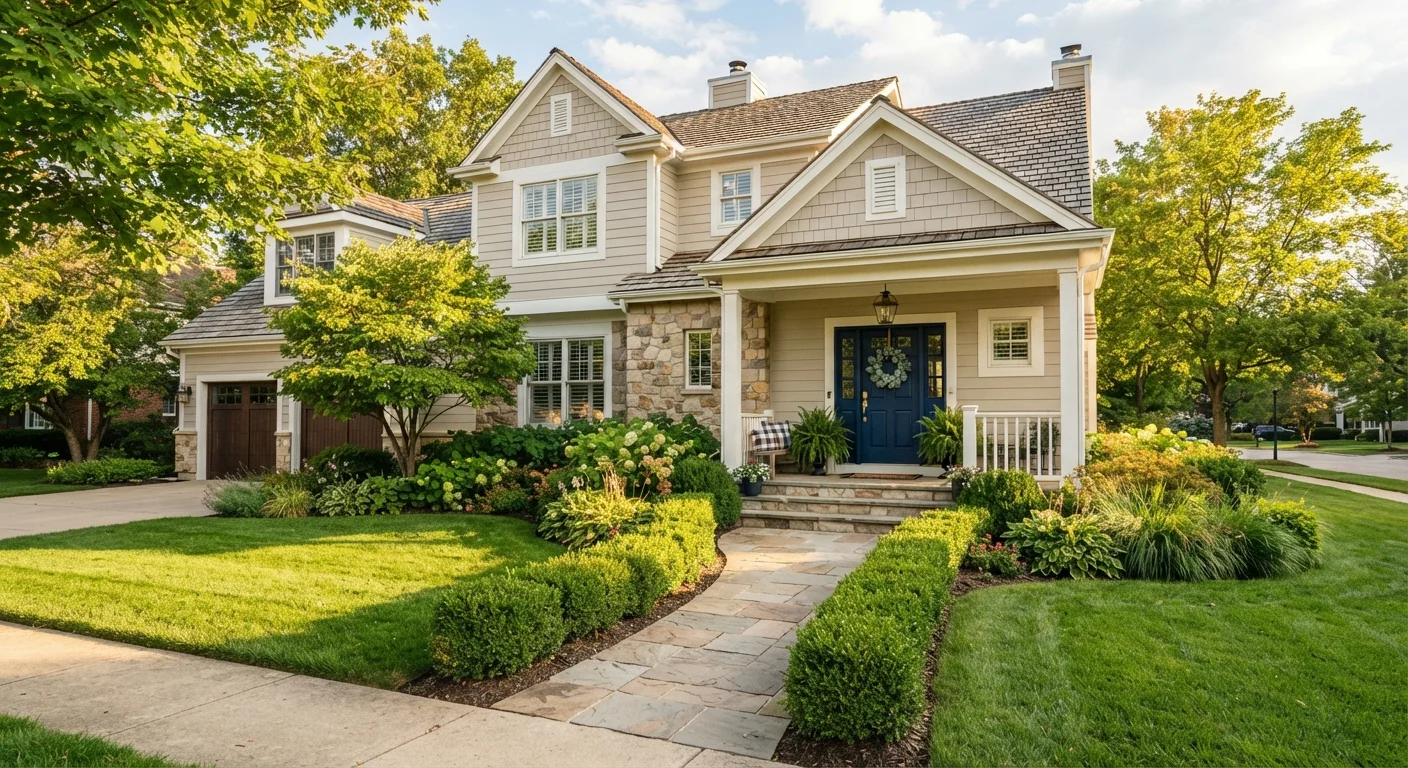
Why Some Curb Appeal Improvements Last and Others Don't
Not every exterior upgrade ages gracefully. Some improvements look sharp at install but start peeling, fading, or crumbling within a few seasons. The difference usually comes down to two things: material quality and surface preparation. Homeowners who skip proper prep work - cleaning, priming, patching - often find themselves redoing the same project in just a few years.
The goal of lasting curb appeal isn't just visual impact on day one. It's choosing materials and approaches that hold up against UV exposure, moisture, freeze-thaw cycles, and general wear - all without demanding constant attention. The sections below walk through the categories where your effort and investment are most likely to pay off over the long haul.
For homeowners newer to exterior projects, this orientation to home improvement offers helpful grounding before you start.
Exterior Paint: Preparation Is Everything
A quality exterior paint job can last 8 to 12 years or longer - but only when the surface is properly prepared beforehand. That means pressure washing to remove dirt and mildew, scraping and sanding peeling areas, priming bare wood, and ensuring all gaps are sealed before a single drop of finish paint is applied.
Caulking is especially important around window frames, door surrounds, and siding joints where moisture intrusion accelerates paint failure. Our guide to caulking correctly covers where it's essential and how to apply it cleanly for a lasting seal.
When choosing paint, look for products rated for exterior use in your climate - heat-reflective formulas perform better in Southern states, while mildew-resistant options matter more in humid regions. Darker colors tend to fade faster than lighter ones under strong UV exposure, so factor that into your color selection if longevity is the priority.
Match Paint Sheen to Your Siding Type
Exterior paint sheens behave differently on different surfaces. Flat or low-sheen finishes hide surface imperfections on rough or textured siding, while satin or semi-gloss finishes are easier to clean and hold up better on trim, doors, and smooth surfaces. Using the right sheen for each surface area extends both appearance and durability. Our guide to paint finish differences explains the underlying principles.
Hardscaping: Structure That Stays Put
Concrete, natural stone, brick, and composite materials form the backbone of durable curb appeal. A well-laid front walkway or defined garden edge doesn't just look intentional - it also reduces erosion, controls weeds, and minimizes the muddy patches that make a yard look neglected.
For pathways, poured concrete and natural flagstone tend to outlast poured asphalt and basic pavers when properly installed on a compacted gravel base. Edging along planting beds - whether metal, stone, or durable polymer - keeps mulch contained and reduces the creep of grass into ornamental areas.
75%
Of home value impression formed at the curb
Industry surveys and real estate research consistently indicate that exterior appearance heavily influences buyer perception before they enter the home.
8-12 years
Expected lifespan of a properly prepared exterior paint job
According to general painting industry guidance, thorough prep work - cleaning, priming, caulking - is the primary determinant of exterior paint longevity.
Any structural hardscaping that involves significant excavation, drainage changes, or proximity to utility lines should be assessed by a qualified contractor before work begins. Permits may also be required depending on your municipality - always check local requirements.
Landscaping Choices That Work for Years, Not Weeks
Annual flowers provide a quick pop of color but require replanting each season. For durable curb appeal, focus your energy on perennial plants, established shrubs, and ground covers suited to your local climate and soil conditions. These require more upfront thought but dramatically less ongoing effort.
Mulching is one of the highest-return landscape tasks available. Applied correctly - generally 2 to 3 inches deep over weed barrier fabric - organic mulch suppresses weeds, retains soil moisture, and moderates root temperatures. See our detailed breakdown of mulching timing and material choices for more specifics.
Ground covers like creeping thyme, liriope, and pachysandra fill in bare soil, reduce erosion, and eliminate the need to mow certain areas entirely. Our guide to low-maintenance ground covers can help you match options to your conditions. For more on everything outdoor, explore the Lawn & Garden hub.
Lighting and Hardware: Small Upgrades, Lasting Impression
Exterior lighting is often overlooked in curb appeal conversations, but it does double duty: it improves visibility and safety while making a home look polished after dark. Low-voltage LED path lights, mounted coach lights, and motion-activated fixtures all hold up well with minimal maintenance. Look for fixtures rated for outdoor use in your region's temperature range and with corrosion-resistant finishes.
Hardware - door handles, house numbers, mailboxes, and knockers - is inexpensive to update but highly visible. Finishes in powder-coated black, satin nickel, or oil-rubbed bronze tend to show less wear than polished brass or chrome in outdoor conditions. Replacing tarnished or mismatched hardware with a unified finish takes an afternoon and makes a notable difference in the overall impression your home makes.
For interior upgrades that complement your exterior refresh, our article on refreshing a bathroom without a full remodel applies the same value-forward mindset.
This article is for informational purposes only. Costs, timelines, and results vary based on local conditions, materials, and installation quality. Always verify local permit and code requirements before beginning exterior projects.
The content provided on our blog site traverses numerous categories, offering readers valuable and practical information. Readers can use the editorial team’s research and data to gain more insights into their topics of interest. However, they are requested not to treat the articles as conclusive. The website team cannot be held responsible for differences in data or inaccuracies found across other platforms. Please also note that the site might also miss out on various schemes and offers available that the readers may find more beneficial than the ones we cover.