

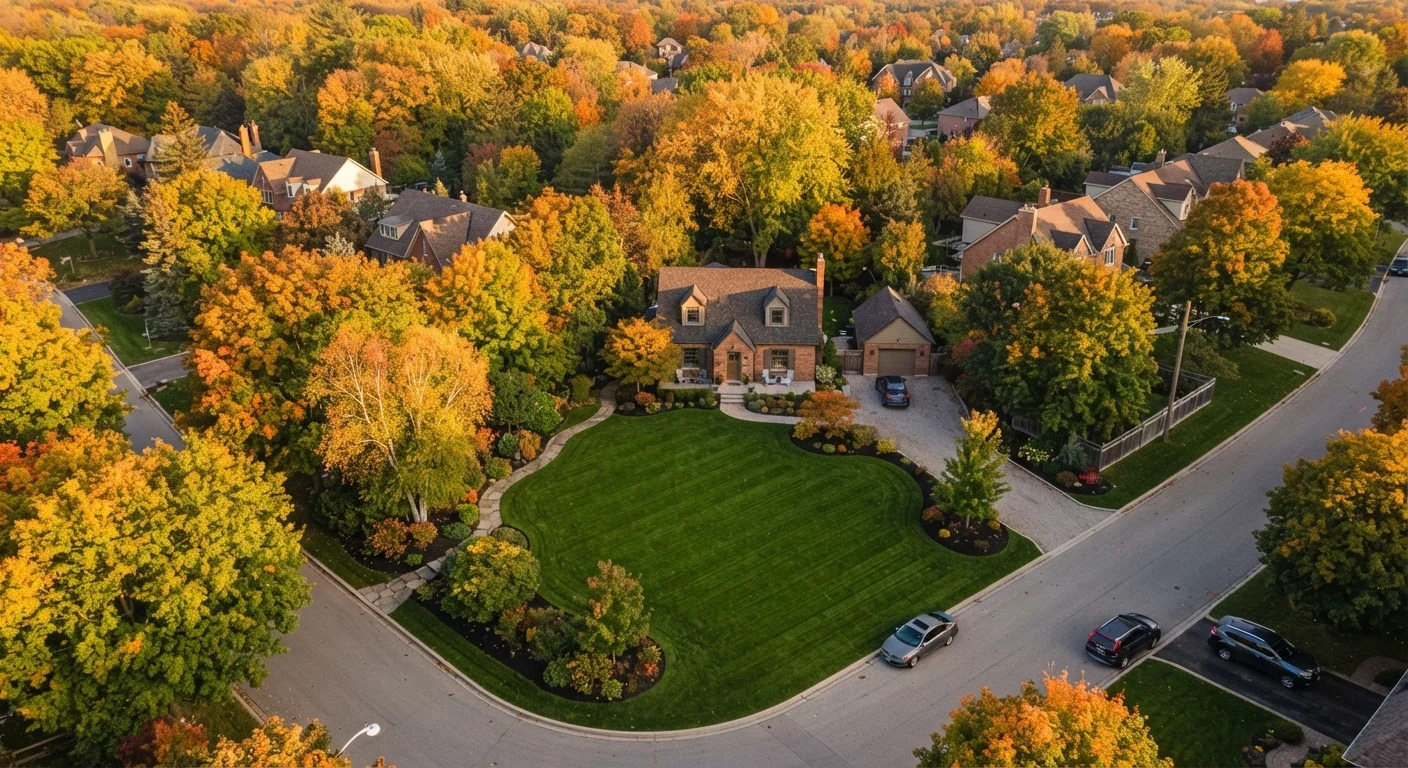
Know Your Grass Type First
Every season-by-season recommendation hinges on one foundational question: do you have a cool-season or warm-season grass? These two categories follow nearly opposite care calendars, and confusing them is one of the most common - and costly - mistakes homeowners make.
Cool-Season vs. Warm-Season: A Quick Reference
Cool-season grasses - including Kentucky bluegrass, tall fescue, and perennial ryegrass - thrive in the northern US where summer temperatures are moderate. Warm-season grasses - Bermuda, Zoysia, St. Augustine, and centipede - dominate the South and transition zone. Some mid-Atlantic and border states fall in a 'transition zone' where neither type is perfectly adapted, requiring extra care during seasonal extremes.
If you're unsure which type you have, take a close-up photo of a grass blade and contact your local cooperative extension office. They can identify it quickly and direct you to regionally appropriate care guides. This single step removes the guesswork from every other decision in this guide.
Once you know your grass, you can align fertilizing, overseeding, aeration, and watering schedules with your lawn's actual growth cycle rather than a generic calendar.
Spring: Waking Up Your Lawn
Spring tasks differ sharply by grass type. For cool-season lawns, early spring is prime time - roots are active, temperatures are ideal for growth, and the season is long ahead. For warm-season lawns, patience matters: hold off on aggressive treatment until the grass has fully greened up and nighttime temperatures stay reliably above 50°F.
Key spring tasks:
- Rake and dethatch: Remove winter debris and accumulated thatch (dead grass layer) to allow air, water, and nutrients to reach soil.
- Aeration: Core aeration is especially valuable for compacted soils. See our detailed guide on lawn aeration for when it genuinely helps versus when it's unnecessary.
- Overseeding thin spots: Cool-season lawns respond well to overseeding in early spring; warm-season lawns are better served waiting until late spring. Our spring lawn prep checklist covers the full pre-season sequence.
- First fertilization: Apply a balanced, slow-release fertilizer once active growth is confirmed. Always base rates on a soil test rather than guesswork.
Before applying any fertilizer, send a soil sample to your local cooperative extension office. A $15-$25 test tells you exactly what your soil is missing - and what it already has plenty of.
Over-fertilizing, especially with nitrogen, can burn grass, contribute to thatch buildup, and send nutrients into local waterways. Testing prevents costly overcorrection.
Sharpen your mower blades at least once per season. A dull blade tears grass rather than cutting it cleanly, leaving ragged ends that turn brown and invite disease.
Clean cuts heal faster and reduce the surface area exposed to fungal pathogens, a practical step that many homeowners overlook despite its outsized impact.
Summer: Protecting What You've Built
Summer is largely a maintenance and protection season - not a growth and investment season for most lawns. Heat and drought stress are the primary threats, and overreaction (too much water, too much fertilizer) often causes more damage than the stress itself.
Adjust Your Mowing Height Seasonally
Raise your mowing deck by half an inch during summer heat stress to leave more leaf surface for photosynthesis and shade soil roots. Lower it slightly in early fall to discourage snow mold in cool-season grasses. Small deck adjustments - not total rescheduling - are all it takes.
Summer priorities:
- Water deeply and infrequently: One inch of water per week, applied in one or two sessions, encourages roots to grow deep rather than shallow. Early morning watering reduces evaporation and fungal risk.
- Mow high: Taller grass shades its own roots, retains soil moisture, and competes better against weeds. The one-third rule applies especially strictly in summer.
- Limit foot traffic on stressed turf: Compaction and physical wear are harder to recover from when grass is heat-stressed.
- Watch for pests and disease: Grubs, chinch bugs, and fungal diseases are most active in summer. Early identification allows targeted treatment rather than broad chemical applications.
Fall: The Most Productive Season
For cool-season lawns, fall is the single most important season of the year. Soil is still warm, air temperatures have dropped, and grass is entering its strongest natural growth window. This is when aeration, overseeding, and fertilization deliver their highest return.
Don't Fertilize Dormant Warm-Season Grass
Applying nitrogen fertilizer to warm-season turf like Bermuda or Zoysia while it is still dormant or in late fall can stimulate tender growth that is highly vulnerable to frost damage. Wait until your lawn has fully greened up - typically when daytime temperatures consistently exceed 65°F - before feeding. Premature fertilization wastes product and can set back recovery.
For warm-season lawns, fall is the wind-down. Fertilization should stop 6-8 weeks before the first expected frost date to avoid stimulating growth that won't harden off in time.
Fall tasks by grass type:
- Cool-season lawns
- Aerate, overseed, apply a nitrogen-rich fertilizer in early fall, and a high-phosphorus winterizer blend in late fall to support root storage.
- Warm-season lawns
- Mow at regular height until dormancy, apply one final light feeding in early fall if the season is still warm, then allow natural dormancy to proceed without intervention.
Consider complementing lawn work with thoughtful planting. Our guide on perennials vs. annuals can help you plan garden beds that work alongside - rather than against - your lawn maintenance schedule.
“A lawn is a reflection of the soil beneath it. Fix the soil, and the grass will largely take care of itself.”
— Dr. Nick Christians, Professor of Horticulture, Iowa State University, and turfgrass science author
Winter: Rest, Protect, and Plan
Most established lawns need very little from you in winter - but what you avoid doing matters as much as what you do. Foot traffic on frozen or frost-covered turf can rupture grass cell walls, leaving visible damage well into spring. Keep paths clear and redirect foot traffic where possible.
Winter to-do list:
- Service your mower: Drain or stabilize fuel, sharpen blades, change oil, and replace the air filter. A maintained mower performs better and lasts longer.
- Review your soil test results: Winter is the right time to plan spring amendments, including lime applications to correct pH, which work slowly and benefit from early timing.
- Map problem areas: Note bare patches, drainage issues, and shaded zones while they're visible. Addressing root causes in spring beats reactive fixes all season.
- Research alternatives if needed: If portions of your yard struggle to support turf, low-maintenance ground covers may be a more practical long-term solution for difficult spots.
Year-Round Habits That Make the Difference
Seasonal tasks matter, but a few consistent practices applied throughout the year create the compounding effect that separates a merely adequate lawn from a genuinely thriving one.
40M+
Acres of lawn grass in the US
Estimates from turfgrass industry research suggest lawns cover over 40 million acres across the United States, making them one of the most irrigated crops in the country.
1/3
Blade length to remove per mowing
Turfgrass extension specialists widely recommend never removing more than one-third of the grass blade in a single mow to avoid stress and browning.
1 inch
Ideal weekly water target for most lawns
University cooperative extension programs commonly cite approximately one inch of water per week - from rain or irrigation - as a general guideline for established turf.
Soil health is the foundation. Grass cannot compensate for poor soil chemistry, compaction, or inadequate organic matter. Regular soil testing - every two to three years - keeps you informed and prevents the expensive overcorrection that follows neglect.
Mow with discipline, not convenience. Mowing when it's practical for you rather than when the grass needs it leads to scalping or letting turf get too tall. Both create stress. Set a schedule tied to growth rate, not the weekend calendar.
Treat water as a limited resource. Overwatering is as damaging as drought in many soil types, promoting shallow roots and fungal conditions. A rain gauge - simple and inexpensive - tells you exactly how much natural precipitation your lawn received, so you supplement accurately rather than habitually.
Applying the same seasonal thinking to other areas of home upkeep pays dividends too. The discipline of seasonal maintenance extends well beyond the yard - home improvement tasks follow similar logic, with each season offering distinct opportunities to protect and enhance your property.
Never Bag Grass Clippings Unless Diseased
Grass clippings left on the lawn after mowing decompose quickly and return nitrogen to the soil - a process sometimes called 'grasscycling.' Research from multiple state extension programs suggests this can reduce your fertilizer needs by up to 25%. Only bag clippings if your lawn is actively dealing with a fungal disease, to avoid redistributing spores.
The content provided on our blog site traverses numerous categories, offering readers valuable and practical information. Readers can use the editorial team’s research and data to gain more insights into their topics of interest. However, they are requested not to treat the articles as conclusive. The website team cannot be held responsible for differences in data or inaccuracies found across other platforms. Please also note that the site might also miss out on various schemes and offers available that the readers may find more beneficial than the ones we cover.