

Our Verdict
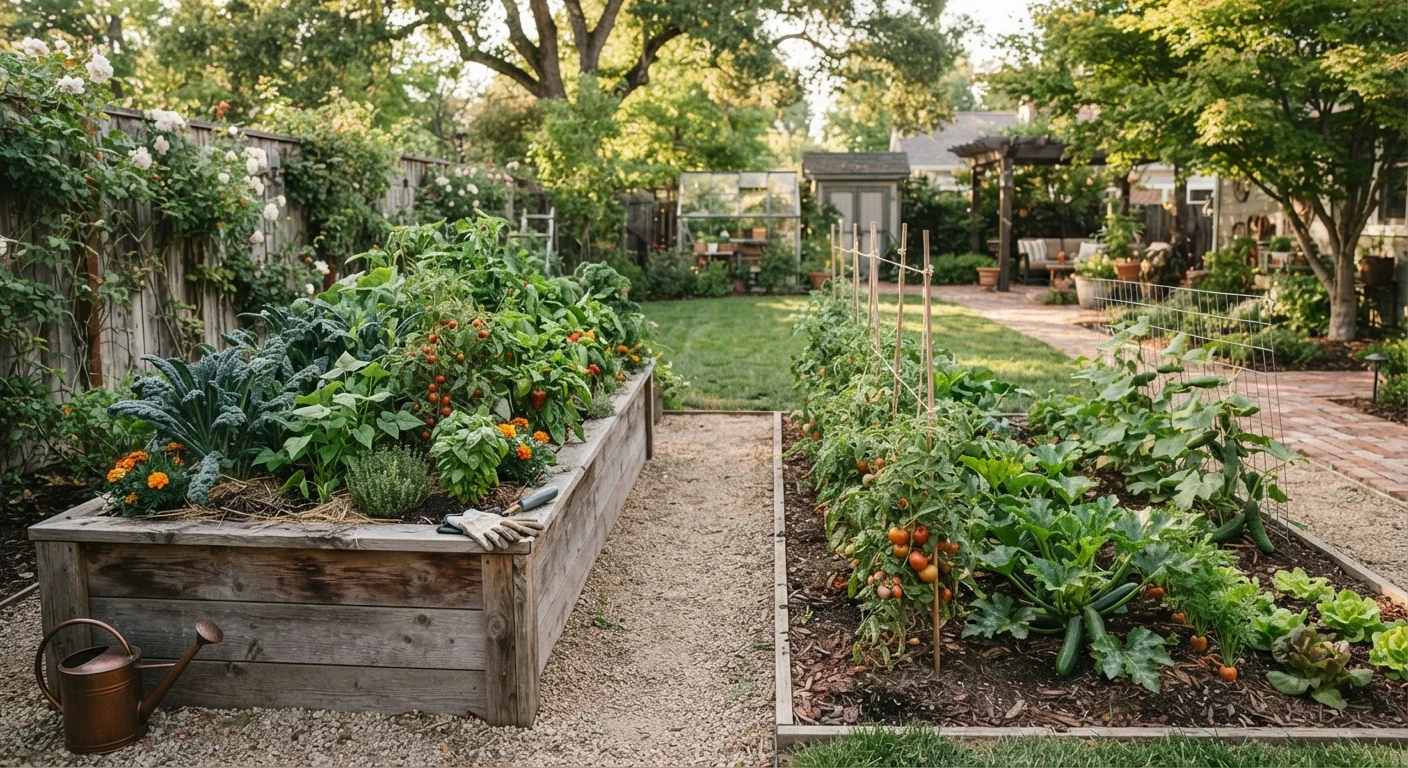
Neither raised beds nor in-ground gardens is universally superior - each solves a different set of problems. Raised beds excel where soil quality is poor, space is limited, or physical access matters. In-ground gardens reward gardeners with good native soil, larger ambitions, or tighter starting budgets.
| Best for | Recommended |
|---|---|
| Gardeners with poor, rocky, or contaminated native soil | Raised Beds |
| Those working within strict time or cost constraints | In-Ground Gardens |
| Gardeners with mobility challenges or limited bending ability | Raised Beds |
| Growers planning large plots with diverse perennials and deep-rooted crops | In-Ground Gardens |
The Core Difference: Soil Environment and Control
The fundamental distinction between raised beds and in-ground gardens comes down to how much control you have over the growing environment. A raised bed is a contained structure - typically built from wood, galvanized metal, or composite materials - filled with a soil mix you choose entirely. An in-ground garden works with whatever native soil exists below your feet, amended over time.
For gardeners dealing with clay-heavy, sandy, or compacted earth, raised beds remove a significant barrier. You fill the frame with a blend optimized for drainage and root development from day one. In-ground gardening, by contrast, builds soil health gradually through composting, cover cropping, and amendment - a rewarding process, but one that takes seasons rather than weekends.
If you're curious about how mulching fits into either approach, our guide on effective mulching techniques covers how material choice and depth affect both bed types.
| Raised Beds | In-Ground Gardens | |
|---|---|---|
| Upfront Cost | Higher - materials + imported soil | Lower - minimal structure needed |
| Soil Control | Full control from day one | Dependent on native soil quality |
| Drainage | Reliable, especially in wet climates | Varies with native soil type |
| Pest Barriers | Easier to install physical barriers | More open to ground-level pests |
| Scalability | Limited by cost and materials | Easily expanded at low cost |
| Accessibility | High - adjustable working height | Requires bending and kneeling |
| Season Extension | Soil warms faster in spring | Slower to warm in cold climates |
| Deep-Rooted Crops | May limit very deep roots | Unrestricted root depth |
Upfront Cost and Long-Term Investment
In-ground gardens have a clear cost advantage at the start. Beyond basic tools and soil amendments, there's little capital required to break ground - often just compost, a garden fork, and your time. Raised beds, however, require materials for the frame, plus enough quality soil mix to fill the entire structure. Depending on size and material, a single 4×8-foot raised bed can represent a meaningful upfront expense before a single seed goes in.
Over time, the calculation shifts. Raised beds tend to retain amended soil better, require less annual tilling, and experience fewer compaction issues since foot traffic stays off the growing area. In-ground beds may require more recurring soil inputs to maintain productivity. Neither approach is definitively cheaper over a decade - it depends heavily on how you manage each.
Combine Both for a Flexible Setup
Many experienced gardeners use raised beds for high-value crops like tomatoes, salad greens, and herbs - where soil control and access matter most - while reserving in-ground space for sprawling crops like squash, corn, and established perennials. A hybrid layout gives you the benefits of each method without fully committing to one approach. Start small, observe how each section performs through a full season, then expand accordingly.
Drainage, Pest Management, and Seasonal Advantages
Raised beds drain more reliably than in-ground plots, especially in regions with heavy clay soils or consistently wet springs. Excess water sheds from the elevated soil profile more freely, reducing root rot risk for moisture-sensitive crops. In-ground beds in well-draining sandy or loamy soil may perform equally well, but in compacted or waterlogged conditions, they can struggle.
Pest management also differs noticeably. Raised beds allow for hardware cloth lining along the bottom to deter burrowing animals such as voles and gophers. Row covers and physical barriers attach more cleanly to a raised frame. In-ground gardens, being open to the surrounding landscape, typically require more vigilance against ground-level pests and competing weeds.
Seasonally, raised beds warm up faster in spring because the contained soil mass heats more quickly than surrounding ground. This can extend your growing window by a week or two - an advantage worth considering in shorter-season climates across the northern US. For broader decisions about what to plant in each setup, our piece on perennials vs. annuals explores how plant type interacts with bed choice.
Accessibility, Scale, and Practical Fit
Raised beds offer a meaningful accessibility advantage. A bed built 18 to 24 inches tall eliminates the need to kneel or crouch, making gardening far more manageable for people with back, knee, or joint limitations. Standard in-ground gardening requires more physical effort at ground level throughout the season.
Scale, however, favors in-ground setups. There's no practical limit to how large an in-ground garden can grow, and expanding it costs relatively little. Raised beds become expensive and labor-intensive to scale, and very large beds can be awkward to work in from the edges. Deep-rooted crops - think squash, melons, or asparagus - also benefit from the unrestricted root run that native ground provides.
Thinking about your overall yard layout? The same research-and-evaluate mindset applies to lawn choices - see our comparison of grass seed vs. sod for a parallel look at upfront versus long-term trade-offs. And if low-effort ground coverage is part of your plan, low-maintenance ground covers may complement either garden style effectively.
The content provided on our blog site traverses numerous categories, offering readers valuable and practical information. Readers can use the editorial team’s research and data to gain more insights into their topics of interest. However, they are requested not to treat the articles as conclusive. The website team cannot be held responsible for differences in data or inaccuracies found across other platforms. Please also note that the site might also miss out on various schemes and offers available that the readers may find more beneficial than the ones we cover.