

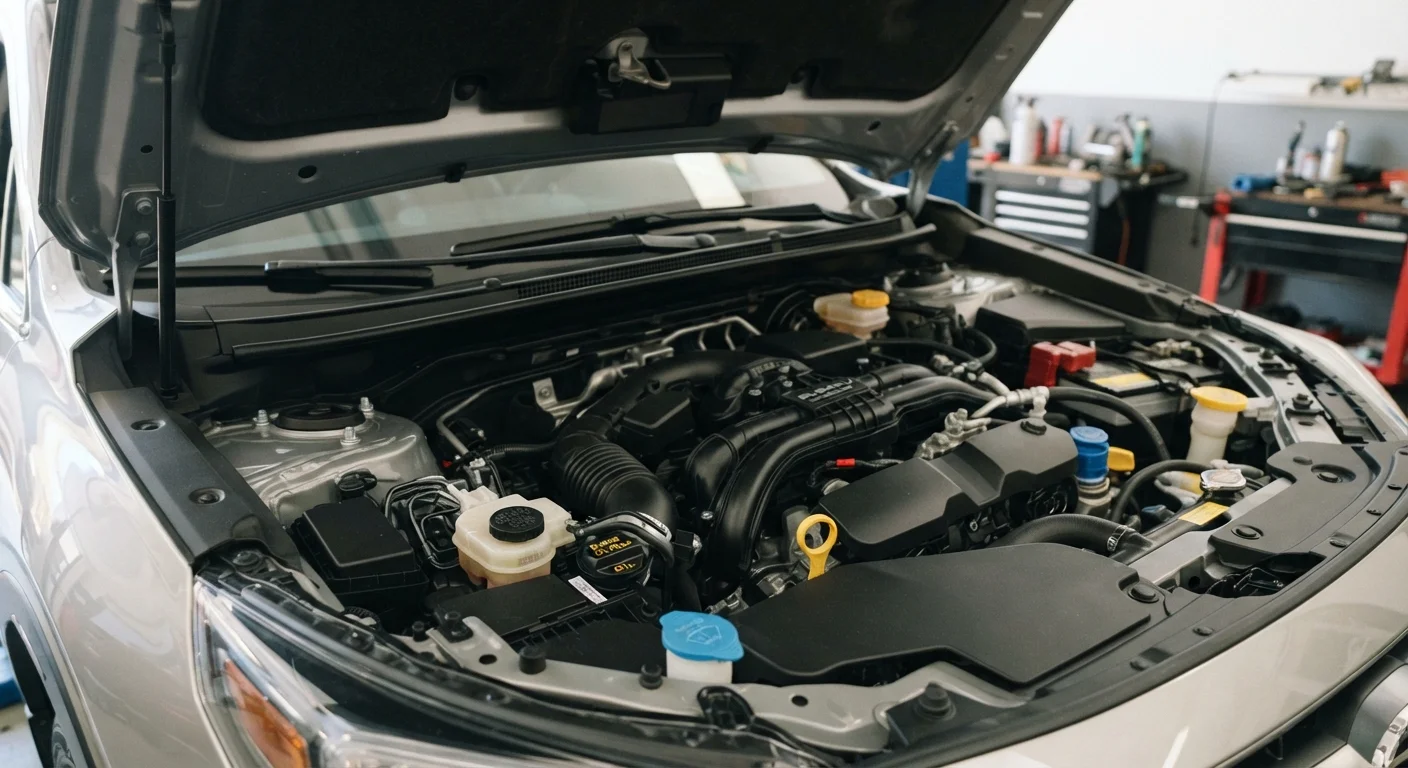
The Six Fluids Your Car Depends On
Your vehicle relies on a handful of fluids to keep its systems lubricated, cooled, pressurized, and clean. Each one has a specific job, and neglecting any of them can cascade into expensive repairs. Here's a plain-English rundown of what each fluid does and why it matters.
| Engine oil check frequency | Monthly, or before long trips (General automotive maintenance guidance) |
| Coolant check method | Check reservoir level only when engine is cold (Safety standard; never open a hot radiator cap) |
| Brake fluid property | Hygroscopic - absorbs moisture over time (SAE and automotive engineering consensus) |
| Transmission fluid color (healthy) | Red or pinkish; dark/burnt = service needed (General automotive maintenance guidance) |
| Washer fluid tip | Use purpose-made fluid, not plain water (Prevents freezing and improves cleaning) |
| Power steering fluid | Applies only to vehicles without electric power steering (Most modern vehicles use electric systems) |
Engine oil is the one most drivers know. It lubricates moving metal parts inside the engine, reduces heat from friction, and carries away microscopic debris. Without adequate oil at the right level and viscosity, engine components wear rapidly. Check it monthly by pulling the dipstick when the engine is cold, wiping it clean, reinserting fully, and reading the level on the second pull.
Coolant (antifreeze) circulates through the engine and radiator to regulate operating temperature. It also prevents freezing in winter and corrosion inside cooling passages year-round. Check the coolant reservoir (never open the radiator cap on a hot engine) when the engine is cold. The level should fall between the MIN and MAX marks.
Brake fluid transmits the force from your brake pedal through the hydraulic lines to the brake calipers. It's hygroscopic, meaning it absorbs moisture over time, which lowers its boiling point and reduces braking effectiveness. The reservoir is typically near the firewall on the driver's side; the level should sit between MIN and MAX lines. See our guide to habits that strain your brakes for context on how driving style affects brake system wear.
Transmission fluid lubricates and cools the gears and clutch packs inside your transmission. Automatic transmissions are especially dependent on clean fluid at the correct level. Some vehicles have a dipstick for this; others require a dealer or shop check. Consult your owner's manual for your specific vehicle's procedure.
Power steering fluid (on vehicles without electric power steering) pressurizes the steering system so the wheel turns with less effort. Low fluid often announces itself with a whining sound during turns. Check the reservoir-usually labeled with a steering wheel icon-with the engine off.
Windshield washer fluid is the least mechanically critical but still important for visibility. Use a purpose-made washer fluid rather than plain water; it contains detergents and freeze-resistant additives. The reservoir is typically a translucent blue or white tank.
Reading the Signs: When to Check and What to Watch For
Fluid problems rarely announce themselves loudly until damage is already underway. Building a quick visual inspection habit-especially before long trips-is one of the most effective forms of preventive maintenance you can practice. For a structured pre-drive checklist, see our pre-trip checks guide.
Viscosity
A measure of a fluid's resistance to flow. Engine oil viscosity ratings (e.g., 5W-30) indicate how the oil behaves at cold start and normal operating temperatures. Using the wrong viscosity for your engine can reduce lubrication effectiveness.
Hygroscopic
A property of certain fluids, including brake fluid, that causes them to absorb moisture from the surrounding air over time. In brake fluid, moisture absorption lowers the boiling point and can reduce braking performance.
Hydraulic system
A system that uses pressurized fluid to transmit force. Your vehicle's brakes and (on older vehicles) power steering rely on hydraulic systems, making clean fluid at the correct level essential to safe operation.
Dipstick
A long, thin measuring rod inserted into a fluid reservoir-most commonly the engine oil sump-that allows you to check the current fluid level. Always wipe the dipstick clean before reinserting for an accurate reading.
Coolant flush
A maintenance procedure that drains old coolant from the cooling system, flushes residue with clean water or a dedicated flush solution, and refills with fresh coolant. Recommended intervals vary by vehicle and coolant type.
Brake fluid flush
A service in which old brake fluid is fully replaced with fresh fluid throughout the hydraulic braking system. Because brake fluid absorbs moisture over time, periodic flushing helps maintain consistent braking performance.
Here's what to watch for with each fluid:
- Engine oil: Dark brown or black color is normal in used oil, but a milky or foamy appearance can signal coolant contamination-a serious issue requiring professional attention. Oil that smells burnt or is gritty is overdue for a change.
- Coolant: Healthy coolant is typically bright green, orange, or pink depending on the type. A rusty, murky, or oily appearance signals contamination or breakdown. A sweet smell outside the car or visible residue near hoses can indicate a leak.
- Brake fluid: New brake fluid is nearly clear or slightly yellow. Very dark fluid has absorbed significant moisture and should be flushed. A spongy brake pedal is a warning sign that needs professional diagnosis promptly.
- Transmission fluid: Healthy automatic transmission fluid is typically red or pinkish and has a slightly sweet smell. Dark, burnt-smelling fluid indicates it's past due for service.
Dashboard warning lights for low oil pressure, coolant temperature, or brake system faults are your last resort signals-not your first. Understanding them is valuable; our dashboard warning lights guide explains what each icon means and which ones need immediate action.
For a broader picture of how fluid service fits into your vehicle's overall care schedule, see Your Car's Maintenance Schedule, Decoded. Fluids don't exist in isolation-they work alongside filters, tires, and mechanical components to keep your car running reliably.
The content provided on our blog site traverses numerous categories, offering readers valuable and practical information. Readers can use the editorial team’s research and data to gain more insights into their topics of interest. However, they are requested not to treat the articles as conclusive. The website team cannot be held responsible for differences in data or inaccuracies found across other platforms. Please also note that the site might also miss out on various schemes and offers available that the readers may find more beneficial than the ones we cover.