

Why Overwatering Is So Easy to Get Wrong
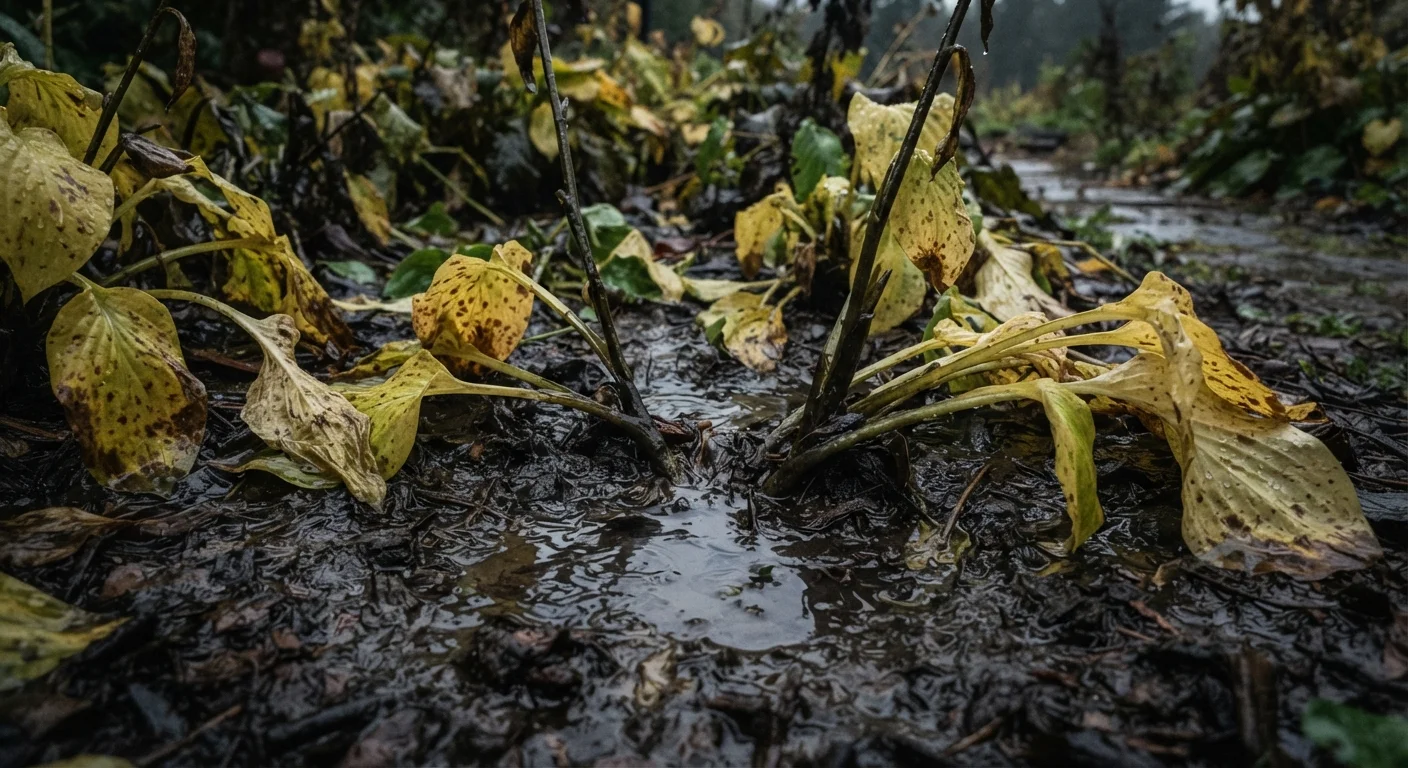
Most gardeners assume that if a plant looks stressed, it needs more water. This instinct is understandable - wilting, pale leaves, and slow growth all look like signs of thirst. But those same symptoms appear when roots are drowning in saturated soil and can no longer absorb oxygen. Without oxygen, roots suffocate, decay sets in, and the plant signals distress in exactly the way it would during a drought.
The problem is compounded by how gardens are typically watered: on a fixed schedule rather than in response to actual soil conditions. A routine that works well in July heat can become damaging by September when temperatures drop and evaporation slows significantly. Soil type makes things murkier - clay holds water far longer than sandy loam, meaning identical watering schedules produce very different outcomes across different garden beds.
Understanding that watering needs shift with weather, season, plant maturity, and soil composition is the foundation of avoiding this mistake. It's not about watering less by default - it's about watering in response to evidence. For gardeners exploring different setups, raised beds versus in-ground gardens handle drainage very differently, which directly affects how often watering is needed.
Common Overwatering Mistakes and How to Avoid Them
The mistakes below cover the full range of how overwatering shows up in real gardens - from daily watering habits to structural drainage problems that quietly undermine an otherwise healthy routine.
Watering on a fixed daily schedule regardless of weather or soil conditions.
Why it happens: Fixed routines feel reliable, and many gardeners set timers or irrigation systems without adjusting for rainfall, humidity, or seasonal temperature shifts.
Ignoring drainage quality and assuming all soil drains similarly.
Why it happens: Gardeners often focus on what they plant rather than what they plant into. Clay-heavy native soil retains water much longer than amended or sandy soil, leading to chronic saturation.
Treating all plants as having the same water requirements.
Why it happens: General gardening advice often simplifies watering to broad rules, making it easy to apply the same routine to drought-tolerant herbs, thirsty vegetables, and shade-loving perennials alike.
Mistaking overwatering symptoms for drought stress and responding with more water.
Why it happens: Wilting, yellowing, and leaf drop look identical whether caused by underwatering or root damage from overwatering. The logical response to a struggling plant feels like giving it more of what it needs.
Watering foliage rather than directing water to the root zone.
Why it happens: Overhead sprinklers and casual hose use are convenient, but they wet leaves and soil surfaces without always reaching the deeper root zone where water is actually absorbed.
Don't Let Automatic Timers Run Unchecked
Irrigation timers are a useful tool, but they have no awareness of rainfall, seasonal temperature changes, or soil saturation. A schedule set in midsummer can easily overwater the same beds by early fall. Review and adjust automated systems at least monthly, and consider installing a rain sensor that pauses irrigation after measurable rainfall.
Restoring a Garden After Overwatering Damage
If you've identified overwatering damage - mushy stems near the soil line, roots that are brown and soft rather than firm and white, or a persistent sour smell from the soil - recovery is possible but requires a deliberate reset.
Start by halting all irrigation and allowing the soil to dry out measurably before watering again. For container plants, this may mean removing the plant from its pot, trimming any visibly rotted roots with clean shears, and repotting into fresh, well-draining mix. For in-ground beds, loosening compacted areas around the root zone and working in organic matter can improve drainage structurally over time.
Adding a layer of mulch - at the right depth, and with attention to keeping it away from plant stems - helps regulate soil moisture going forward without locking in excess water. Our guide on mulching done right covers timing and material choices in detail. Once the plant stabilizes, introduce a soil-moisture check before every watering session. A simple finger test - inserting your index finger two inches into the soil - gives you real-time information that no fixed schedule can match. For gardeners who want to further reduce maintenance demands, low-maintenance ground covers are worth exploring for areas prone to overwatering issues.
This article is for general informational and educational purposes only. Gardening outcomes vary based on local climate, soil conditions, and plant species. Consult your local cooperative extension service for region-specific guidance.
The content provided on our blog site traverses numerous categories, offering readers valuable and practical information. Readers can use the editorial team’s research and data to gain more insights into their topics of interest. However, they are requested not to treat the articles as conclusive. The website team cannot be held responsible for differences in data or inaccuracies found across other platforms. Please also note that the site might also miss out on various schemes and offers available that the readers may find more beneficial than the ones we cover.