

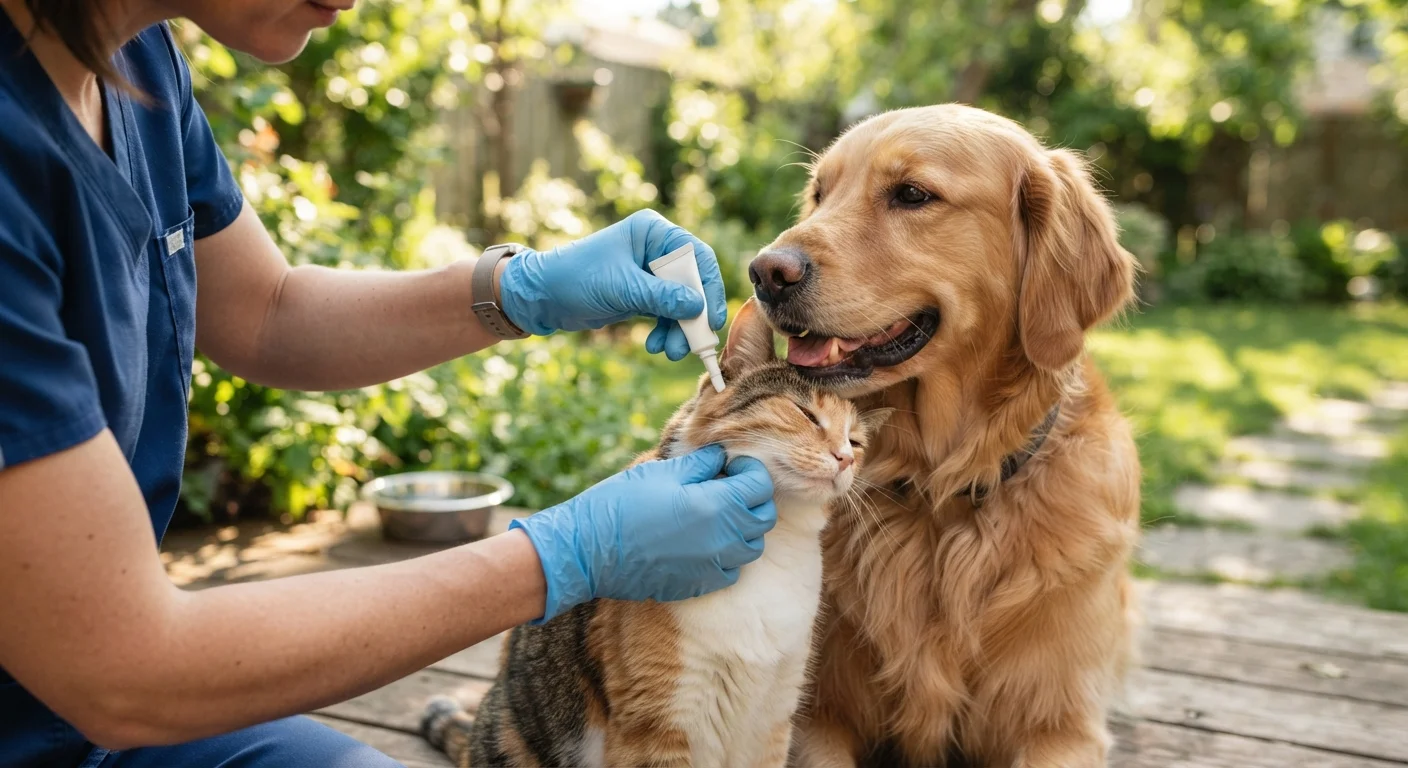
Why Parasite Prevention Matters Year-Round
Parasites are among the most common health threats facing dogs and cats in the United States. Despite this, many pet owners treat prevention as a seasonal concern - applying flea products in summer or skipping heartworm medication during colder months. Veterinary guidance consistently points in the other direction: continuous, year-round prevention is the standard of care for most pets.
The reasons are practical. Fleas survive indoors throughout winter. Ticks remain active at temperatures well below freezing in many regions. Mosquitoes - the sole vector for heartworm - can persist longer than expected in mild climates. Intestinal parasites are shed through feces and soil year-round, representing a constant exposure risk for pets that go outdoors at all.
Beyond the pet's health, several common parasites pose zoonotic risks - meaning they can transfer from animals to people. Roundworms, hookworms, and certain tick-borne diseases all have documented human health implications, which makes prevention genuinely a household concern rather than just a pet care checkbox. As part of a broader commitment to responsible ownership, parasite management belongs alongside nutrition, exercise, and routine wellness exams in any pet care plan.
Fleas: Transmission, Risks, and How Prevention Works
Fleas are the most prevalent external parasite affecting domestic pets in the U.S. Ctenocephalides felis, the cat flea, infests both cats and dogs. They spread through direct contact with infested animals or environments - grass, bedding, or carpeting where flea eggs and larvae persist for months.
The consequences extend well beyond itching. Flea allergy dermatitis is one of the most common skin conditions seen in veterinary practice. Heavy infestations can cause anemia in kittens and puppies. Fleas also serve as intermediate hosts for tapeworms, so an untreated flea problem can quickly become a worm problem.
When dealing with a flea infestation, wash all pet bedding in hot water and vacuum carpets and upholstered furniture thoroughly - then discard the vacuum bag immediately to prevent reinfestation from the home environment.
The flea life cycle means that the visible adult fleas on a pet represent a small fraction of the total infestation; treating the environment breaks the cycle far more effectively than pet treatment alone.
Ask your veterinarian to conduct an annual fecal flotation test even if your pet appears completely healthy - many intestinal parasite infections are asymptomatic until the burden becomes significant.
Routine fecal testing detects parasites early, before clinical signs develop, and allows treatment before household or environmental contamination spreads.
Effective flea control requires treating the pet and the environment simultaneously. Adult fleas on the animal represent only about 5% of the total flea population in a home - the rest are eggs, larvae, and pupae in carpets, furniture, and bedding. Products that only kill adult fleas on the pet leave the household reservoir largely untouched. Veterinarians typically recommend environmental treatment alongside pet-specific prevention to break the life cycle completely.
For deeper guidance on separating evidence-based approaches from common misconceptions, see flea and tick prevention myths vs. evidence.
Ticks: Disease Vectors and Targeted Control
Ticks are arachnids - not insects - and their ability to transmit disease makes them particularly consequential parasites. In the U.S., species such as the black-legged tick (Ixodes scapularis), the American dog tick (Dermacentor variabilis), and the lone star tick (Amblyomma americanum) are responsible for transmitting conditions including Lyme disease, Rocky Mountain spotted fever, ehrlichiosis, and anaplasmosis.
Pets acquire ticks by moving through vegetation where ticks wait to attach to a passing host. Dogs are at higher risk than cats given their typical outdoor activity, but cats that go outdoors are not immune. Tick populations have expanded geographically over recent decades, meaning pets in areas historically considered low-risk may now have meaningful exposure.
Never Use Dog Products on Cats
Certain active ingredients found in dog-specific flea and tick preventives - particularly permethrin - are highly toxic to cats and can be fatal even in small amounts. Always verify that any product is labeled specifically for the species you are treating, and consult your veterinarian before switching products or using anything purchased without professional guidance.
Prevention focuses on reducing tick attachment and killing ticks before disease transmission occurs. Many tick-borne pathogens require the tick to remain attached for 24-48 hours before transmission is likely, which is why prompt removal and preventive products that kill or repel ticks quickly are both valuable. After any outdoor activity in tick habitat, thorough checks of both the pet and the owner are a sensible additional step. Your veterinarian can advise on appropriate preventive options based on your geographic region and pet's lifestyle.
Heartworm: A Serious but Preventable Threat
Dirofilaria immitis, the heartworm parasite, is transmitted exclusively through the bite of an infected mosquito. Dogs are the primary host; adult worms mature in the pulmonary arteries and heart, causing progressive, often irreversible damage if left untreated. Cats can also be infected, but the disease presents differently and there is no approved treatment for feline heartworm - making prevention especially critical for cats.
All 50
U.S. states with reported heartworm cases
The American Heartworm Society reports that heartworm disease has been diagnosed in pets across every state in the continental U.S.
~5%
Adult fleas visible on the pet
Veterinary parasitologists estimate that adult fleas on the animal represent roughly 5% of the total flea population in an infested home; the remainder are in various immature stages in the environment.
24-48 hrs
Tick attachment time for disease transmission risk
Research indicates that many tick-borne pathogens, including the Lyme disease bacterium, typically require prolonged tick attachment before transmission to the host becomes likely.
The geographic range of heartworm has expanded across the continental U.S. and is now present in all 50 states. Transmission depends on mosquito activity, which is influenced by temperature and moisture - but indoor pets are not fully protected, as mosquitoes readily enter homes.
Prevention is highly effective when administered consistently. Monthly preventive medications interrupt larval development before worms can mature. Because adult heartworm treatment in dogs is medically intensive, costly, and requires strict rest, the risk-benefit case for consistent prevention is straightforward. Dogs should be tested for heartworm before starting or restarting prevention, as preventives are not a treatment for existing infection. Discussing testing frequency and prevention timing with your veterinarian is an essential step - this conversation fits naturally into the annual wellness exam.
Intestinal Worms: Common Types and How Pets Get Them
Several species of intestinal worms commonly affect dogs and cats. The most clinically significant include:
- Roundworms (Toxocara spp.): Extremely common, especially in puppies and kittens. Transmitted through ingestion of eggs in contaminated soil, nursing from an infected mother, or predation. Roundworms are also a zoonotic concern, particularly for young children.
- Hookworms (Ancylostoma spp.): Attach to the intestinal lining and feed on blood. Can cause anemia in young or heavily infested animals. Larvae can penetrate human skin, causing cutaneous larva migrans.
- Whipworms (Trichuris vulpis): Affect dogs primarily; acquired through ingesting contaminated soil. Can cause chronic large-bowel diarrhea.
- Tapeworms (Dipylidium caninum, Taenia spp.): Acquired through ingestion of infected fleas or prey. Often identified by owners noticing rice-like segments near the pet's tail.
Most intestinal worm infections are diagnosed through fecal examination - another reason routine veterinary visits that include fecal testing are recommended at least annually, and more frequently for young or high-risk animals. Many pets show no obvious symptoms, reinforcing the value of consistent monitoring over waiting for visible signs of illness.
Building a Complete Parasite Prevention Program
A well-structured prevention program accounts for all major parasite categories and is tailored to the individual animal. Factors that influence the appropriate approach include species (dog vs. cat), age and weight, overall health status, lifestyle (indoor-only vs. regular outdoor access), and geographic location.
Veterinarians typically recommend products that address multiple parasites simultaneously, reducing the complexity of managing separate treatments. Some medications cover heartworm, intestinal worms, and fleas within a single monthly dose. Others target specific parasites more narrowly. The right combination depends on the pet's risk profile, which is why individualized guidance from a veterinarian is irreplaceable.
Key structural elements of a sound prevention program generally include:
- Year-round heartworm prevention for both dogs and cats in mosquito-exposed environments.
- Consistent flea and tick control matched to the pet's exposure level and environment.
- Routine fecal testing - at least annually - to monitor for intestinal parasites even when prevention is in place.
- Annual or biannual wellness exams that include a review of the prevention plan, since needs can change as pets age or lifestyles shift.
If you are preparing for an upcoming vet appointment, our pre-appointment checklist can help you organize your questions and documentation ahead of time. Parasite prevention also fits within the broader framework of responsible pet ownership - an ongoing commitment rather than a single decision.
This article is for general informational and educational purposes only and does not constitute veterinary medical advice. Always consult a licensed veterinarian for guidance specific to your pet's health, species, age, and individual circumstances.
The content provided on our blog site traverses numerous categories, offering readers valuable and practical information. Readers can use the editorial team’s research and data to gain more insights into their topics of interest. However, they are requested not to treat the articles as conclusive. The website team cannot be held responsible for differences in data or inaccuracies found across other platforms. Please also note that the site might also miss out on various schemes and offers available that the readers may find more beneficial than the ones we cover.