

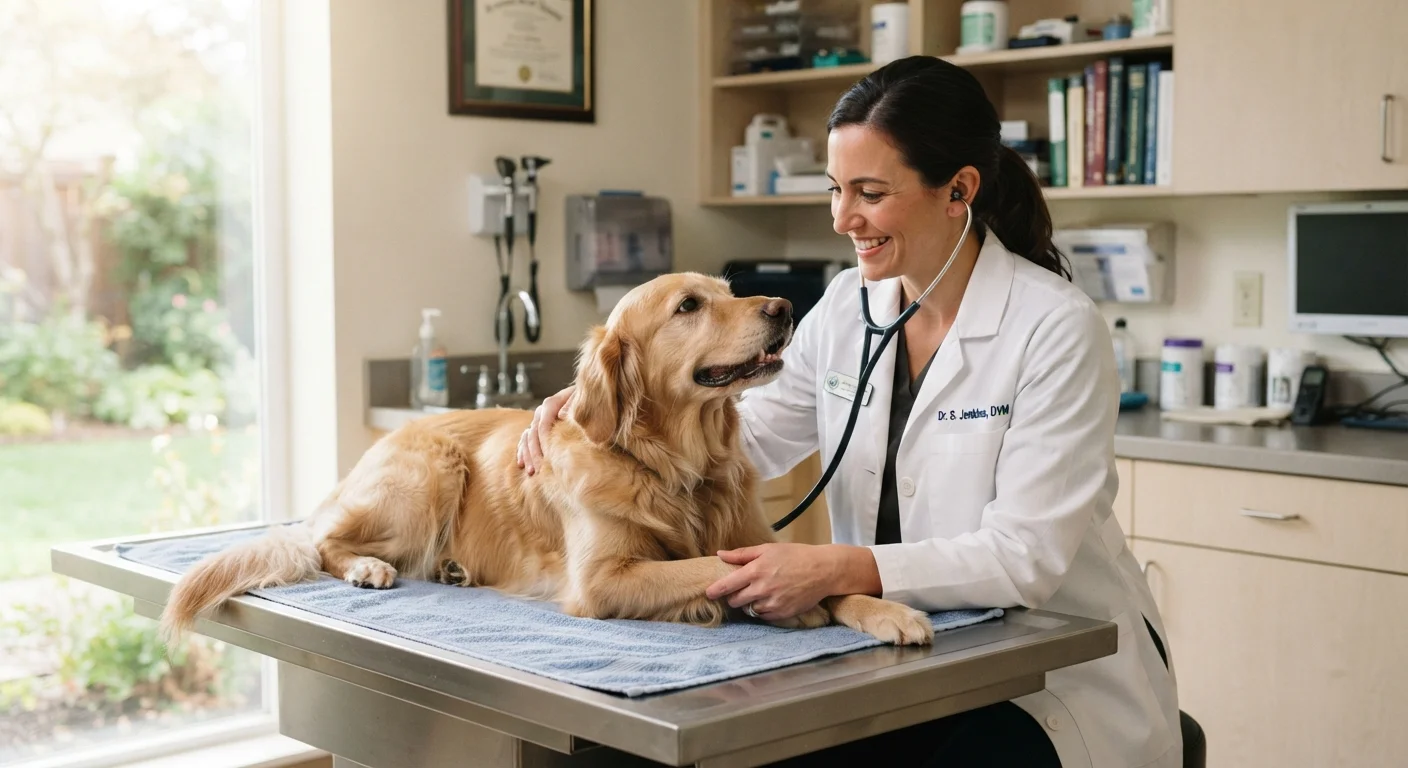
Why Wellness Exams Matter More Than Most Owners Realize
Pets are hardwired to mask discomfort - a survival instinct that makes early illness easy to miss at home. By the time behavioral changes become obvious, a condition may already be well established. That is precisely why the annual wellness exam is one of the most valuable tools in a pet owner's toolkit.
Think of it less as a formality and more as a baseline-setting exercise. Each visit creates a documented record of your pet's normal - weight, heart rate, dental condition, coat quality - so that subtle shifts are easier to spot year over year. Vets often detect early-stage dental disease, heart murmurs, and joint changes long before an owner notices any difference at home.
For owners who want to go deeper, the full picture of responsible pet ownership shows how wellness visits fit into a broader, long-term care strategy.
What the Vet Is Actually Checking: A System-by-System Breakdown
A thorough wellness exam moves methodically through your pet's body, evaluating multiple systems in sequence. Here is what a typical head-to-tail assessment covers:
- Eyes and ears: Checked for discharge, redness, cloudiness, or signs of infection and early cataract formation.
- Mouth and teeth: Dental disease affects a significant proportion of adult pets. Vets look for tartar buildup, gum inflammation, broken teeth, and oral masses.
- Heart and lungs: A stethoscope listen detects abnormal heart rhythms, murmurs, or respiratory changes that may not be audible otherwise.
- Abdomen: Manual palpation of the abdomen can reveal organ enlargement, masses, pain responses, or unusual fluid accumulation.
- Skin and coat: Coat quality, skin condition, and the presence of external parasites like fleas or mites are assessed visually and by touch.
- Musculoskeletal system: Range of motion, muscle tone, and gait are evaluated - especially important for detecting early arthritis in older dogs and cats.
- Lymph nodes: Swollen or tender lymph nodes can indicate infection or, in some cases, more serious underlying conditions.
- Weight and body condition score: Body condition scoring goes beyond the number on the scale to assess fat distribution and muscle mass.
80%
Dogs with dental disease by age 3
According to the American Veterinary Medical Association, approximately 80% of dogs show signs of dental disease by age three, making the oral exam one of the most critical components of a wellness visit.
2x/year
Recommended exam frequency for senior pets
Major veterinary organizations, including the American Animal Hospital Association, recommend biannual wellness exams for dogs and cats aged seven and older due to the accelerated pace of age-related health changes.
1 in 3
Cats affected by chronic kidney disease
Research published in veterinary nephrology literature suggests roughly one in three cats will develop chronic kidney disease during their lifetime, a condition often detected first through routine wellness lab work.
Parasite prevention is also reviewed at this stage. Your vet will discuss heartworm testing, flea and tick prevention, and intestinal parasite screening. For a comprehensive look at how prevention programs are structured, see our guide on parasite prevention for pets.
Vaccines, Lab Work, and the Preventive Conversation
Vaccinations are a common - but not automatic - component of wellness visits. Which vaccines are recommended depends on your pet's age, previous history, and lifestyle factors such as time spent outdoors or in boarding facilities. Core vaccines protect against widely prevalent, serious diseases; non-core vaccines are given based on individual risk assessment. For a detailed reference, see our guide to vaccine schedules for dogs and cats.
Depending on your pet's age and health history, your vet may also recommend baseline blood work - a complete blood count (CBC) and chemistry panel - to assess organ function and flag early changes that a physical exam alone cannot detect. Urinalysis and thyroid screening become increasingly important as pets age.
Lab Work Is Not Always Included by Default
Blood panels, urinalysis, and thyroid testing are often recommended as add-ons rather than included automatically in a standard wellness exam fee. Ask your vet at scheduling whether baseline lab work is appropriate for your pet's age and history, so you can plan accordingly and avoid surprises.
This is also the right moment to discuss nutrition, weight management, dental care, and behavior. Come prepared with questions - the wellness visit is a two-way conversation, not a one-way checkup.
Making the Visit Work: Preparation and Follow-Through
How you prepare for the appointment shapes how useful it turns out to be. Note any changes in eating habits, energy levels, water consumption, or litter box and bathroom patterns before you arrive - these details give your vet context that a physical exam alone cannot provide. Our pre-appointment checklist walks through exactly what to gather and how to reduce transport stress for anxious animals.
For cats and dogs prone to anxiety, using a familiar carrier or blanket and skipping a meal before travel can help settle nerves. Ask your vet's office in advance whether they offer fear-free or low-stress handling protocols - many clinics now do.
After the visit, follow through on any recommendations promptly. Schedule recommended dental cleanings, refill prevention medications, and note the timing of any repeat lab work. Consistency between visits is what turns annual exams into genuine preventive care rather than yearly paperwork.
If your pet is entering their senior years, visit frequency will likely increase. Learn more about how health priorities shift with age in our article on senior pet care.
This article is for general informational purposes only and does not constitute veterinary medical advice. Always consult a licensed veterinarian for guidance specific to your pet's health needs.
Frequently Asked Questions
Most wellness exams take between 20 and 45 minutes, depending on your pet's age, health history, and any concerns you raise. Senior pets or those with complex histories may require a longer appointment. Arriving a few minutes early with records ready helps use the time efficiently.
A wellness exam is a preventive appointment scheduled when your pet shows no signs of illness. A sick visit addresses a specific health concern or symptom. The two serve different purposes, and a sick visit cannot replace the thorough preventive screening done during a scheduled wellness exam.
Yes. Indoor pets are still susceptible to dental disease, obesity, internal parasites, and age-related conditions that develop without obvious symptoms. Regular exams help detect these issues early, regardless of whether your pet goes outdoors.
Bring vaccination records, any medications or supplements your pet takes, a fresh stool sample if your vet requests one, and a written list of behavioral changes or concerns you have noticed. Being organized helps your vet build a complete picture quickly.
Most veterinary guidelines recommend twice-yearly exams for dogs and cats aged seven and older. Aging animals can experience rapid health changes, and more frequent monitoring allows for earlier intervention. Your vet can tailor the schedule to your individual pet.
Not necessarily. Which vaccines are given depends on your pet's age, previous vaccination history, lifestyle, and local disease risk. Your vet will review what is current and recommend only what is appropriate for your pet's situation.
The content provided on our blog site traverses numerous categories, offering readers valuable and practical information. Readers can use the editorial team’s research and data to gain more insights into their topics of interest. However, they are requested not to treat the articles as conclusive. The website team cannot be held responsible for differences in data or inaccuracies found across other platforms. Please also note that the site might also miss out on various schemes and offers available that the readers may find more beneficial than the ones we cover.