

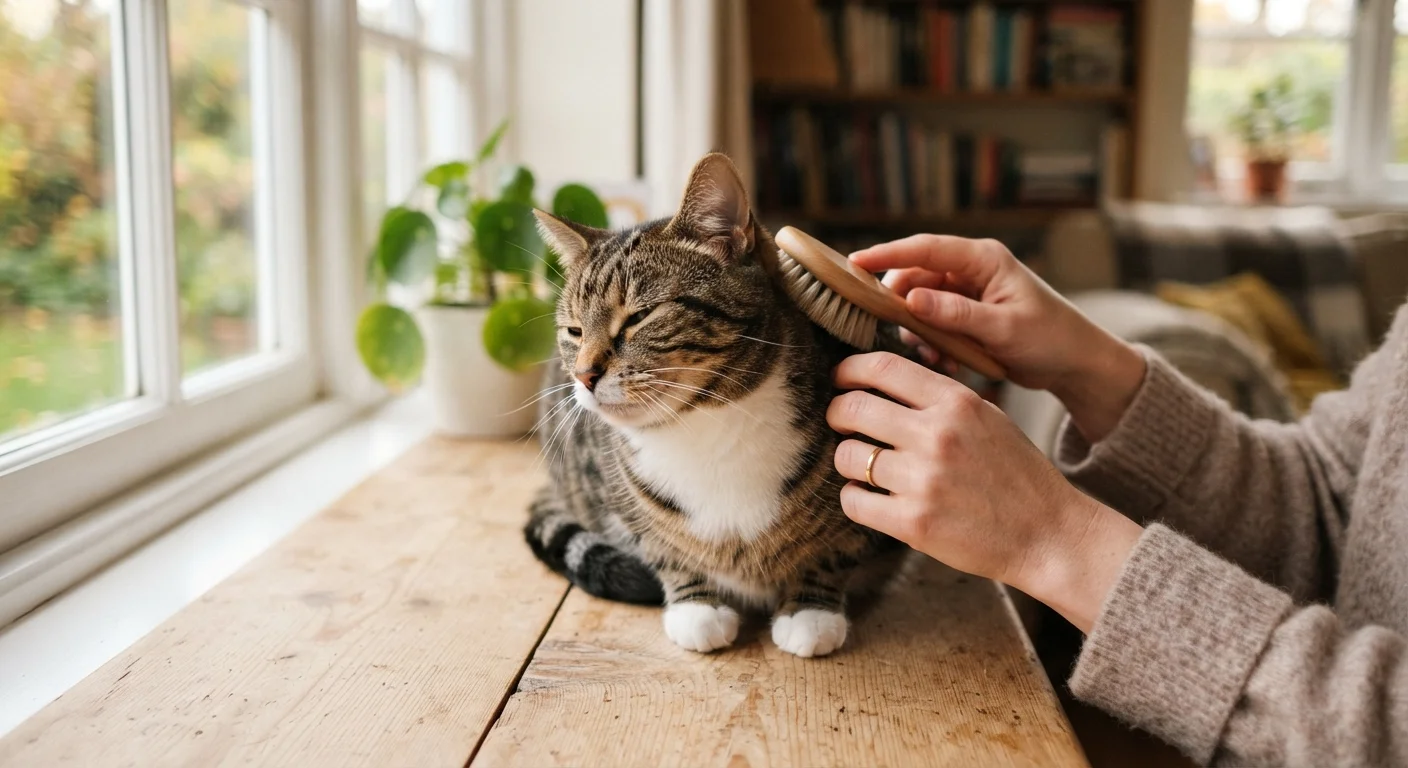
Why At-Home Grooming Matters More Than You Might Think
Many cat owners assume their pet's self-grooming habit means they can step back entirely. While cats are remarkably capable groomers, owner-assisted grooming serves purposes no amount of self-licking can fully replace: it removes loose undercoat that contributes to hairballs, keeps nails at a safe length, and gives you a regular, close look at your cat's skin, coat, and overall condition.
Done well, grooming also strengthens your bond with your cat and makes veterinary handling less stressful for everyone involved. Done poorly, it can create lasting negative associations that make future care - including vet visits - significantly harder. The mistakes below are among the most common, and most are easy to correct once you know what to look for.
For a broader view of what responsible cat ownership involves day to day, see our full guide to responsible pet ownership.
The Most Common Grooming Mistakes - and How to Fix Them
These errors show up across coat types, ages, and experience levels. Whether you've had cats for years or are still finding your footing, reviewing your technique against this list is a worthwhile habit.
Brushing against the direction of fur growth, or pressing too firmly with the brush.
Why it happens: Owners often assume more pressure means better detangling, or they work quickly without paying attention to fur direction.
Cutting too close to the quick when trimming nails, causing pain and bleeding.
Why it happens: The quick - the pink blood vessel inside each nail - is easy to misjudge, particularly on cats with dark nails where it isn't visible.
Bathing cats too frequently or using bath time as the primary grooming method.
Why it happens: Owners sometimes assume cats need baths as often as dogs, or they over-correct after a particularly messy incident.
Skipping the ears and teeth during grooming sessions.
Why it happens: Owners focus on the coat because it's visible, and ear or dental checks feel intimidating without clear guidance on what to look for.
Forcing a resistant cat through a full grooming session instead of stopping and trying again later.
Why it happens: Owners want to complete the task and may not recognize escalating stress signals like flattened ears, a lashing tail, or skin rippling.
Grooming Can Reveal Health Issues Early
Regular at-home grooming is one of the most reliable ways to detect lumps, skin changes, ear discharge, or dental problems before they escalate. If you notice anything unusual during a grooming session - swelling, unusual odor, or signs of pain - consult your veterinarian promptly. Do not attempt to diagnose or treat these findings at home.
If you're weighing whether to handle grooming entirely at home or bring in professional help for certain tasks, our comparison of professional grooming versus DIY approaches walks through exactly what factors to consider.
Building a Grooming Routine That Works for Your Cat
Consistency matters more than perfection. A three-minute brushing session your cat tolerates calmly is far more valuable than a thorough session that ends in a scratch and a hiding cat. Aim to groom at the same time of day when your cat is naturally relaxed - often after a meal or a nap - and keep your tools in a consistent location so the sight of them becomes unremarkable over time.
Never Use Human Grooming Products on Cats
Shampoos, conditioners, and ear-cleaning solutions formulated for humans - or even dogs - can contain ingredients toxic to cats, including certain essential oils and detergents. Always use products specifically formulated and labeled safe for feline use, and consult your veterinarian if you are unsure about any product's suitability.
Kittens introduced to grooming early are generally far more tolerant as adults. If you have an older cat who resists handling, progress will be slower but is still achievable through gradual desensitization and positive reinforcement. Much of the same patience-based logic applies to training cats to accept new experiences.
Pay attention to behavioral changes around grooming time - reluctance to be touched in a specific area, for instance, can be an early indicator of discomfort. Our article on recognizing subtle signs of pain in cats can help you tell the difference between a grumpy cat and one that may need veterinary attention.
This article is for general informational purposes only and is not a substitute for professional veterinary advice. Always consult a qualified veterinarian regarding your individual cat's health and care needs.
The content provided on our blog site traverses numerous categories, offering readers valuable and practical information. Readers can use the editorial team’s research and data to gain more insights into their topics of interest. However, they are requested not to treat the articles as conclusive. The website team cannot be held responsible for differences in data or inaccuracies found across other platforms. Please also note that the site might also miss out on various schemes and offers available that the readers may find more beneficial than the ones we cover.