

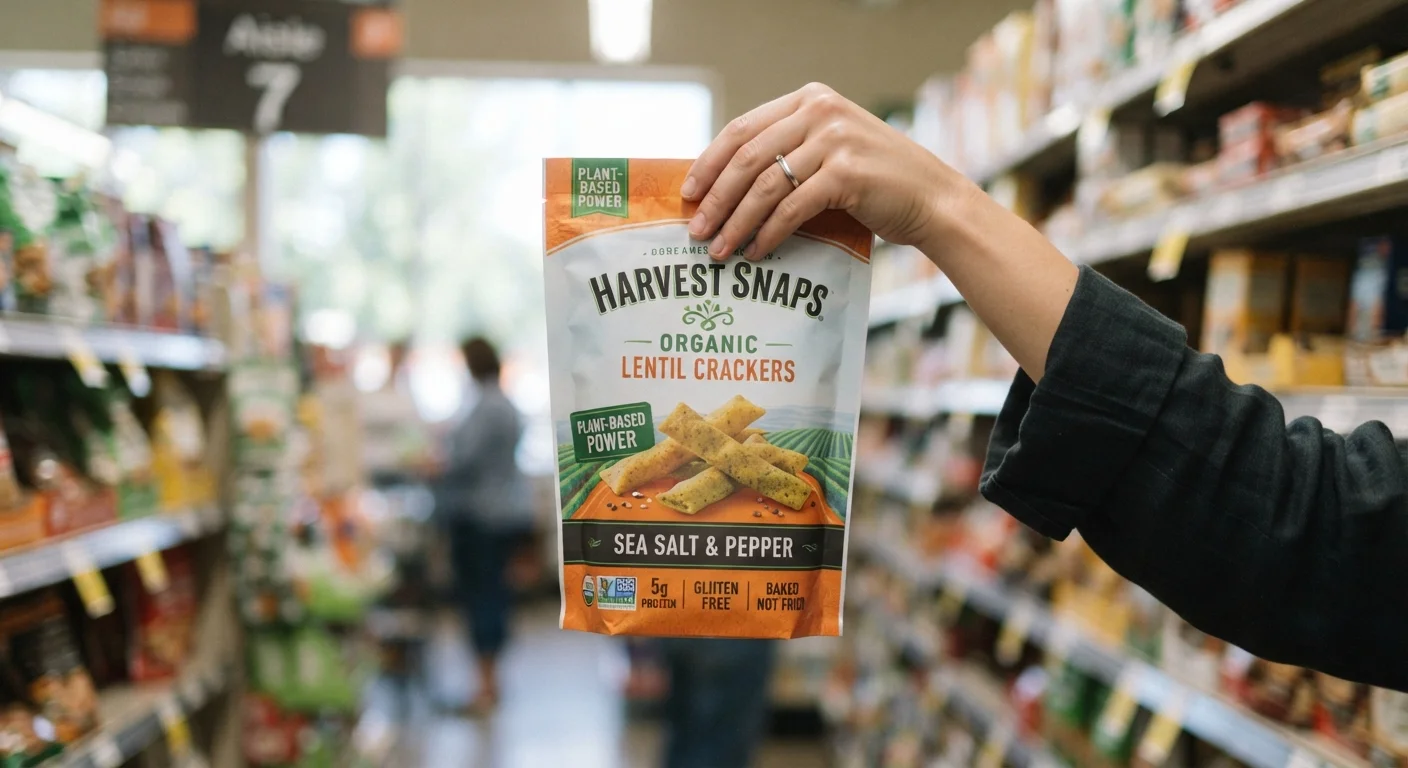
Why Front-of-Package Language Is a Marketing Tool, Not a Nutrition Guide
Grocery store shelves are dense with reassuring language: natural, clean, wholesome, light, multigrain, free-range, made with real fruit. These phrases are chosen by marketing teams, not nutritionists, and most carry no standardized legal definition enforced by the FDA. Understanding this distinction is the single most important shift a shopper can make.
The FDA regulates a narrow set of specific claims - such as health claims (linking a nutrient to a disease) and nutrient content claims (like 'low fat' or 'high fiber') - with defined criteria. Everything else on the front of a package is essentially promotional copy. The Nutrition Facts panel on the back, by contrast, follows strict federal formatting rules and is where objective, comparable data actually lives.
For a plain-language breakdown of what the panel communicates section by section, see the Nutrition Facts label walkthrough. And to understand how processing levels interact with these labels, the whole foods vs. processed foods guide provides useful context.
Front Labels Are Not Health Endorsements
No front-of-package claim - including 'natural,' 'wholesome,' or 'clean' - constitutes an FDA-regulated health endorsement. Only specific nutrient content claims and health claims on the Nutrition Facts panel are governed by federal standards. When in doubt, ignore the front and read the back. If you have specific dietary needs or health conditions, consult a registered dietitian or your healthcare provider.
The Most Misleading Claims - and How to See Through Them
Certain front-of-package terms appear so frequently that they start to feel like regulated facts. They aren't. Below are the most common mistakes shoppers make when interpreting these claims - and the practical steps to avoid them.
Treating 'natural' as a meaningful health or safety claim.
Why it happens: The word 'natural' sounds reassuring and health-adjacent, and shoppers reasonably assume it signals regulatory approval or nutritional quality.
Assuming 'multigrain' means the same thing as 'whole grain.'
Why it happens: Both terms sound fiber-forward and wholesome, making it easy to conflate them at a glance in a busy store.
Taking 'light' to mean low in calories without checking what it actually refers to.
Why it happens: Consumers reasonably interpret 'light' as a general calorie reduction, but the FDA definition allows the term to apply to color, texture, taste, or sodium - not just calories.
Ignoring the ingredient list in favor of front-panel callouts.
Why it happens: Front claims are large, bold, and strategically placed; the ingredient list is small, dense, and positioned where most shoppers don't look first.
Confusing 'reduced sodium' with 'low sodium.'
Why it happens: Both sound like meaningful reductions, but 'reduced sodium' only requires 25% less sodium than the original product - which could still be quite high.
Reading percent daily values without accounting for serving size distortion.
Why it happens: Percent daily values seem straightforward, but they only apply to the stated serving size, which manufacturers can set strategically.
Added sugars deserve particular attention because they appear under so many ingredient-list aliases. The natural vs. added sugar explainer breaks down why this distinction matters and how to spot added sugars across their many names.
Serving Size Can Make Anything Look Better
A product listing '100 calories per serving' may contain 2.5 servings per package - meaning the whole container holds 250 calories. Always check the servings-per-container figure before evaluating any per-serving number. This applies equally to sodium, sugar, and saturated fat figures that appear deceptively low.
This article is for general informational and educational purposes only and is not a substitute for professional medical or dietary advice. Consult a qualified healthcare provider or registered dietitian for guidance specific to your health needs.
The content provided on our blog site traverses numerous categories, offering readers valuable and practical information. Readers can use the editorial team’s research and data to gain more insights into their topics of interest. However, they are requested not to treat the articles as conclusive. The website team cannot be held responsible for differences in data or inaccuracies found across other platforms. Please also note that the site might also miss out on various schemes and offers available that the readers may find more beneficial than the ones we cover.