

What an Emergency Fund Is Actually For
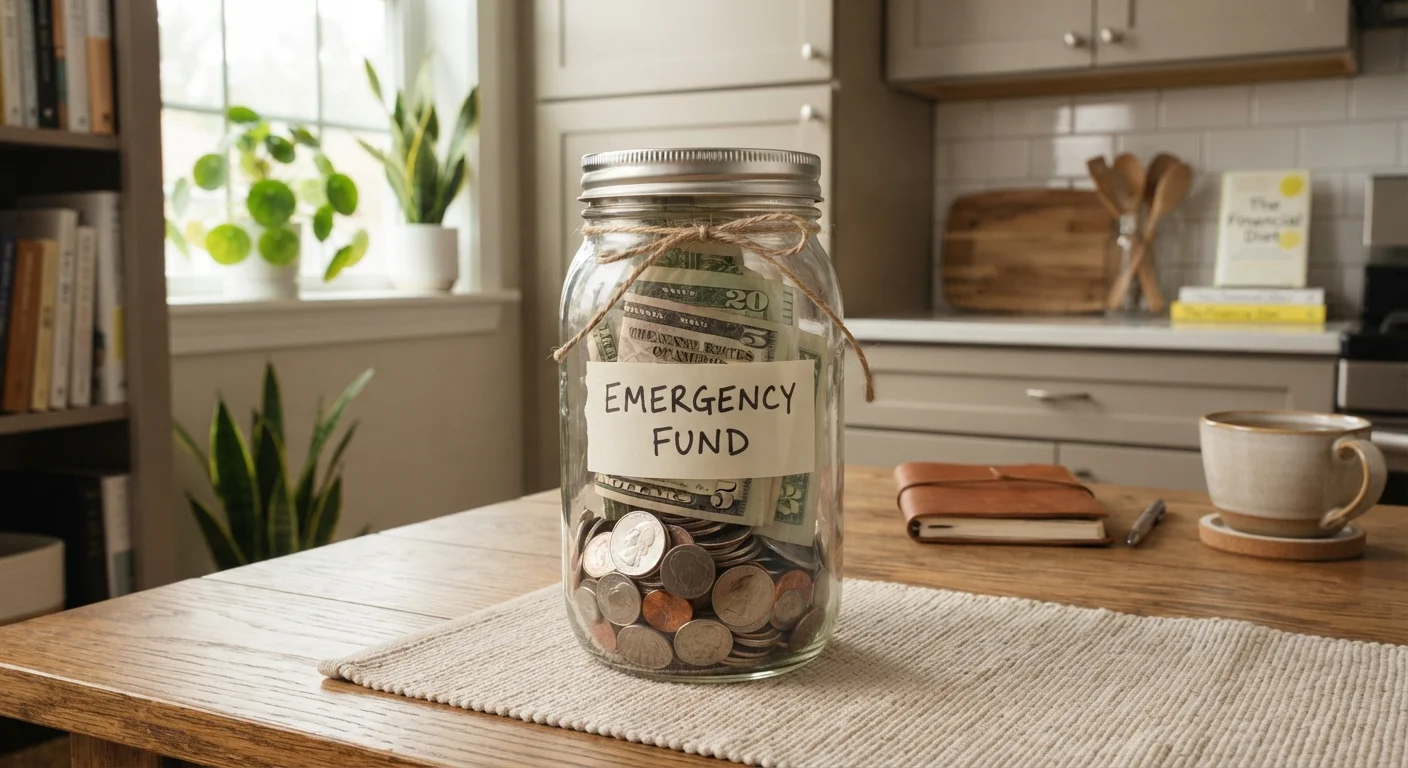
An emergency fund exists for one purpose: to absorb financial shocks that are unexpected, necessary, and urgent - situations where going without would cause real harm and where no other resource can reasonably cover the cost. Think job loss, a medical bill not covered by insurance, a car repair that keeps you employed, or a sudden plumbing failure that makes your home uninhabitable.
The fund is not a general savings cushion, a vacation top-up, or a buffer for sloppy budgeting. That distinction matters more than most people realize. If you blur the line between emergencies and inconveniences, you'll drain the fund on things that feel urgent but aren't - and you'll have nothing left when a genuine crisis arrives. For a deeper look at what that exposure actually costs, see the real cost of having no emergency fund.
The Decision Framework: Before You Withdraw
Before touching your emergency fund, run the expense through three questions:
- Is it unexpected? If you knew this expense was coming - even roughly - it should have been budgeted for, not funded from emergency savings.
- Is it necessary? Would skipping or delaying it cause genuine harm - to your health, your housing, your employment, or your family's safety?
- Is there no better option? Could you cover it with a short-term payment plan, a 0% interest offer, or by temporarily redirecting discretionary spending?
If the answer to all three is yes, the withdrawal is probably justified. If any answer is no, pause. The discomfort of saying no to yourself in the short term is far smaller than the risk of facing a true emergency with an empty fund.
Expenses That Are Not Emergencies
This is where most people go wrong. The following situations commonly feel like emergencies but rarely are:
- Car registration, insurance renewals, and annual subscriptions - these are predictable. Add them to a sinking fund instead.
- Holiday spending and birthdays - the calendar gives you advance notice every year.
- A sale on something you wanted - urgency created by a retailer is not financial urgency.
- Voluntary job changes - if you chose to leave a job, that transition should be funded from planned savings, not an emergency reserve.
- Home upgrades or appliance replacements you saw coming - if your water heater has been struggling for two years, its failure is no longer a surprise.
Building separate sinking funds for these categories is the cleanest solution. It keeps your emergency fund intact and reduces the temptation to raid it. If your fund keeps stalling despite good intentions, read about why emergency fund progress stalls - the problem is often structural, not motivational.
When the Line Is Genuinely Blurry
Some expenses sit in a gray zone - a semi-urgent home repair, a job loss you partly anticipated, or a medical cost for a condition you knew was possible. In these cases, ask whether the alternative (going without or taking on high-interest debt) would create a worse financial outcome than the withdrawal itself. If high-interest debt is the only other option, using the emergency fund is often the more defensible choice. Document your reasoning so you're not rationalizing after the fact.
After a Legitimate Withdrawal: Replenish Promptly
Using your emergency fund correctly is not a failure - it's the whole point. But the moment you make a legitimate withdrawal, replenishing the fund becomes your top financial priority. A depleted emergency fund leaves you exposed to a second crisis while still recovering from the first.
Set a specific replenishment target and timeline immediately after a withdrawal. Even modest, consistent contributions - treated like a non-negotiable bill - rebuild the buffer faster than most people expect. If you're still establishing your fund or starting over, our guide to building your first emergency fund from zero walks through how to build momentum even when money feels tight.
Also consider whether your fund was adequately sized before the withdrawal. How many months of expenses your fund should cover depends on income stability, household size, and your risk tolerance - the standard three-to-six-month guideline is a starting point, not a universal answer.
This article is for general informational purposes only and does not constitute personalized financial advice. Consult a qualified financial professional for guidance specific to your situation.
The content provided on our blog site traverses numerous categories, offering readers valuable and practical information. Readers can use the editorial team’s research and data to gain more insights into their topics of interest. However, they are requested not to treat the articles as conclusive. The website team cannot be held responsible for differences in data or inaccuracies found across other platforms. Please also note that the site might also miss out on various schemes and offers available that the readers may find more beneficial than the ones we cover.