

What Enrichment Actually Means - and Why It's Non-Negotiable
Most pet owners understand their responsibilities in terms of the physical basics: nutritious food, clean water, shelter, and veterinary care. These are essential, but they represent only part of what animals need to truly thrive. The missing piece, frequently overlooked, is enrichment - the deliberate provision of mental, sensory, and behavioral stimulation.
Domestic pets are descended from animals that spent the majority of their waking hours working: hunting, foraging, patrolling territory, solving spatial problems, and navigating social dynamics. When that behavioral drive has nowhere to go, it doesn't simply switch off. Instead, it tends to express itself through outlets owners find problematic - destructive chewing, excessive barking, compulsive grooming, or aggression.
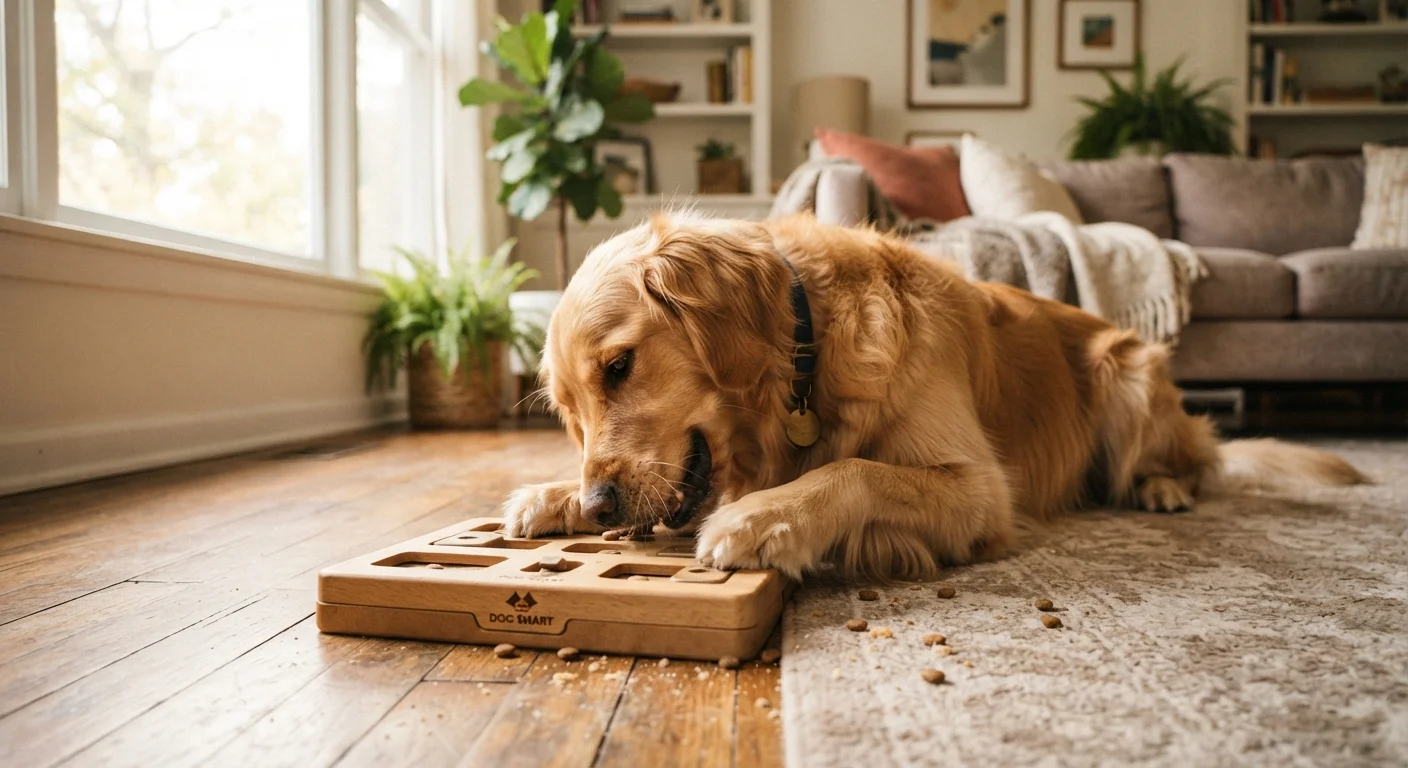
Enrichment is the formal term for giving those drives appropriate outlets. It encompasses puzzle feeders that make a dog work for their meal, window perches that let a cat observe outdoor movement, foraging opportunities for rabbits, and training sessions that require a pet to think. The category is wide, but the underlying principle is consistent: animals need cognitive and behavioral engagement, not just caloric intake.
Enrichment Needs Change With Age
A puppy or kitten requires different enrichment than a senior pet. Young animals often need short, frequent bursts of stimulation and careful supervision to prevent overstimulation, while older pets may benefit more from gentle, scent-based activities that are cognitively engaging without being physically demanding. Always adjust your approach as your pet ages, and consult your veterinarian if behavioral changes accompany the transition.
The Science Behind Behavioral Wellbeing
Animal behavior research consistently links under-stimulation to measurable stress responses in companion animals. Cortisol - the primary stress hormone - remains chronically elevated in animals that lack environmental complexity. Over time, this has real consequences: a weakened immune response, increased reactivity to minor triggers, and a baseline state of anxiety that makes training and bonding more difficult.
Enrichment works in the opposite direction. Problem-solving activities, novel scents, social interaction, and exploratory opportunities activate reward pathways in the brain, producing positive emotional states associated with satisfaction rather than frustration. This is why a dog that spends ten minutes working through a snuffle mat often settles more calmly afterward than one that simply received a bowl of kibble.
~70%
Shelter dogs showing stress behaviors linked to under-stimulation
Animal behavior researchers estimate that a significant majority of behavioral problems seen in shelter and relinquished dogs are related to insufficient mental stimulation rather than inherent aggression or temperament issues.
5-10 min
Minimum daily training for cognitive benefit in dogs
Veterinary behaviorists generally note that even brief, consistent training sessions - as short as five to ten minutes - produce measurable improvements in a dog's focus, impulse control, and emotional regulation over time.
2x
Increased play activity with environmental complexity
Studies on feline behavior in enriched versus barren environments consistently find that cats with access to varied stimuli engage in spontaneous play and exploratory behavior at significantly higher rates.
For cats living exclusively indoors, this dynamic is especially relevant. Without the natural enrichment of outdoor territory, hunting behavior, and environmental variety, indoor cats are at elevated risk for stress-related conditions and boredom-driven overeating. Our article on indoor vs. outdoor cat health trade-offs explores this balance in detail.
Types of Enrichment and How to Match Them to Your Pet
Enrichment falls into several broad categories, and the most effective approach draws from multiple types rather than relying on one alone:
- Cognitive enrichment - puzzle toys, training sessions, hide-and-seek games, and food-dispensing devices that require problem-solving.
- Sensory enrichment - novel scents (e.g., rotating dried herbs for cats, scent trails for dogs), varied textures, and auditory stimulation like nature soundscapes.
- Social enrichment - structured interaction with people, compatible animal companions, or supervised play. See our guidance on managing enrichment in multi-pet households.
- Physical enrichment - environmental modifications like climbing structures for cats, digging boxes for dogs, and tunnels or hides for small mammals.
- Feeding enrichment - replacing standard bowl feeding with scatter feeding, lick mats, or portion-dispensing toys that extend mealtime engagement.
The right mix depends on species, age, health status, and individual personality. A senior arthritic dog may thrive with scent work and gentle puzzle feeders, while a young border collie needs cognitively demanding tasks to stay settled. Observing what genuinely engages your individual animal is more informative than any general guideline.
Weaving Enrichment Into Everyday Routines
One of the most common misconceptions is that enrichment requires dedicated sessions or specialized equipment. In reality, the most sustainable enrichment strategy is one woven invisibly into the rhythms of daily life.
A morning walk becomes sensory enrichment when you allow your dog to spend time sniffing rather than maintaining a brisk pace. Feeding time becomes cognitive enrichment when you scatter dry food in the grass or freeze it into a lick mat. Even a few minutes of wand toy play before a cat's evening meal taps into the hunt-eat-groom-sleep cycle that keeps indoor cats psychologically regulated.
Building these habits into a consistent daily structure is especially beneficial. Animals are highly attuned to routine - predictable patterns reduce baseline anxiety and make enrichment moments feel rewarding rather than disorienting. Our resource on the daily routine every dog thrives on offers a practical framework for structuring these elements across the day.
Enrichment is ultimately part of the broader picture of responsible ownership - one component among many that, taken together, determines the quality of a pet's life. For a comprehensive view of what that looks like from housing to preventive care, see our guide on responsible pet ownership.
Start Simple and Rotate Often
You don't need a cabinet full of expensive toys to provide meaningful enrichment. A cardboard box with hidden treats, a new scent on a bandana, or a brief training game counts. The key is novelty - rotating what you offer prevents habituation and keeps your pet genuinely engaged rather than bored with the familiar.
Frequently Asked Questions
There is no universal answer, as needs vary by species, age, breed, and individual temperament. Most dogs benefit from multiple short enrichment sessions throughout the day, while cats may prefer intermittent, unpredictable play. Observing your pet's energy levels and behavior is the best guide.
Yes - particularly for anxious or senior animals, overwhelming stimulation can cause stress. The goal is appropriate challenge, not constant sensory input. Balance active enrichment with adequate rest time, and watch for signs of fatigue or frustration.
Absolutely. Small mammals have strong instinctual needs for burrowing, foraging, and exploration. Inadequate enrichment in small enclosures is one of the most common welfare oversights for these animals. See our <a href="/pet-life/pet-care-essentials/small-pet-big-needs-housing-realities-for-guinea-pigs-and-hamsters">guide to small pet housing needs</a> for specifics.
Common indicators include excessive barking or vocalization, destructive chewing, repetitive or compulsive behaviors, lethargy, overeating, and attention-seeking that escalates into anxiety. These signals suggest unmet psychological needs rather than simply 'bad behavior.'
No - enrichment and physical exercise serve different but complementary functions. Exercise burns energy and supports physical health, while enrichment engages the mind and satisfies instinctual drives. A <a href="/pet-life/pet-care-essentials/the-daily-routine-every-dog-thrives-on">daily routine for dogs</a> should incorporate both.
Generally yes. Outdoor cats access natural enrichment through hunting, exploring, and environmental novelty. Indoor cats rely entirely on their owners to provide equivalent stimulation. Learn more about how this trade-off plays out in our article on <a href="/pet-life/pet-health-wellness/indoor-vs-outdoor-cats-health-trade-offs-worth-understanding">indoor vs. outdoor cat health</a>.
The content provided on our blog site traverses numerous categories, offering readers valuable and practical information. Readers can use the editorial team’s research and data to gain more insights into their topics of interest. However, they are requested not to treat the articles as conclusive. The website team cannot be held responsible for differences in data or inaccuracies found across other platforms. Please also note that the site might also miss out on various schemes and offers available that the readers may find more beneficial than the ones we cover.