

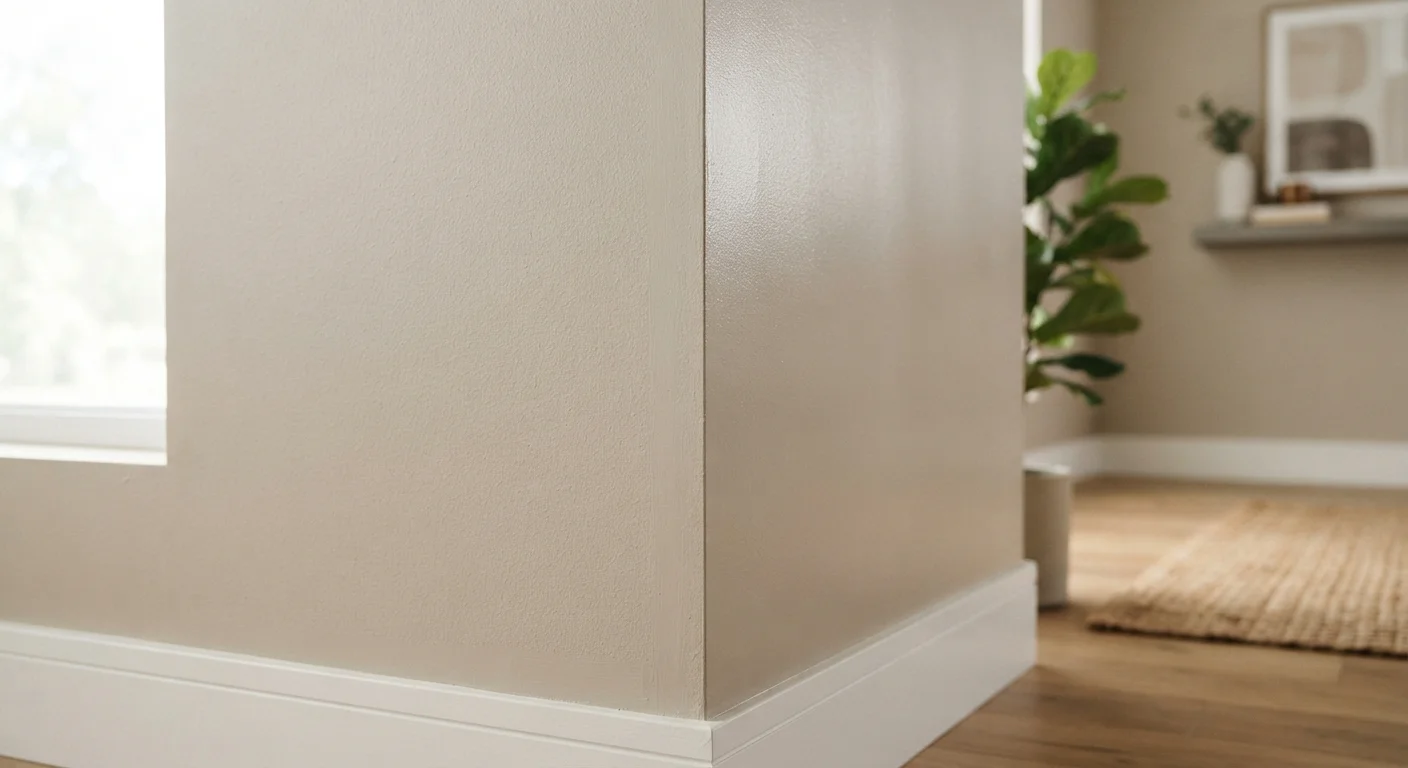
Why Paint Sheen Matters More Than Color
Most homeowners spend considerable time choosing a paint color, then grab whatever finish is on sale. That's a common mistake. The sheen level - also called finish or gloss level - determines how light interacts with your walls, how well the paint resists moisture and scrubbing, and how forgiving it is of surface imperfections. Choosing the wrong finish can make a room feel cold, highlight every dent in your drywall, or leave walls that can't survive a simple wipe-down.
Paint finishes exist on a spectrum from completely flat to highly reflective. The more sheen a finish has, the more durable and washable it tends to be - but the more it will also reveal surface flaws. Understanding this trade-off is the key to making the right call for each room in your home.
| Finish Types (Low to High Sheen) | Matte → Eggshell → Satin → Semi-Gloss → Gloss |
| Most Washable Finish | Semi-gloss |
| Best for Hiding Imperfections | Matte (flat) |
| Most Versatile All-Around Finish | Eggshell |
| Recommended for Trim & Doors | Semi-gloss |
| Best for Kitchens & Bathrooms | Satin or semi-gloss |
The Four Core Finishes: What Each One Does
Matte (Flat) - Matte finish contains no sheen at all, absorbing light rather than reflecting it. This creates a smooth, velvety appearance that hides surface imperfections like nail holes, drywall patches, and uneven texture particularly well. The trade-off is durability: matte paint is difficult to clean without removing the paint film itself, making it a poor choice for high-traffic areas. It works best in adult bedrooms, formal dining rooms, and ceilings.
Eggshell - Named for the subtle, low-sheen surface of an eggshell, this finish offers a modest step up in both washability and light reflection. It still hides minor surface flaws reasonably well while tolerating an occasional gentle wipe. Eggshell is one of the most versatile interior finishes and performs well in living rooms, hallways, and home offices where walls may need periodic cleaning but don't face heavy abuse.
Satin - Satin has a soft, pearl-like glow and noticeably more durability than eggshell. It stands up well to moisture, making it a practical choice for kitchens, bathrooms, laundry rooms, and children's bedrooms. Satin does show brush marks and roller lines more readily, so proper application technique matters. It also highlights surface imperfections more than flatter finishes, so walls should be well-prepped before painting.
Semi-Gloss - Semi-gloss reflects significant light and is highly washable, resisting moisture, grease, and frequent scrubbing. It is a standard choice for trim, doors, window frames, and cabinetry. Some homeowners also use it on kitchen and bathroom walls where maximum moisture resistance is needed. The high reflectivity will show every bump and blemish, so surface preparation is critical.
Sheen
The degree of light reflectivity in a dried paint film. Higher sheen means more light is reflected off the surface.
Paint Film
The thin, hardened layer of dried paint that forms on a surface after application and drying. Its integrity determines washability and durability.
Eggshell Finish
A low-luster paint finish that mimics the subtle sheen of an eggshell. It balances a refined appearance with modest washability.
Semi-Gloss
A paint finish with high reflectivity and strong durability. Commonly used on trim, cabinetry, and surfaces that require frequent cleaning.
Surface Preparation
The process of filling holes, sanding rough spots, and priming a surface before painting. Critical for higher-sheen finishes that reveal imperfections.
Room-by-Room Guidance
Matching finish to function is straightforward once you know each room's demands:
- Bedrooms: Matte or eggshell. Low traffic, minimal moisture, and the flat look creates a calm, restful atmosphere.
- Living rooms and dining rooms: Eggshell. Looks polished, handles occasional cleaning, and hides the minor wall wear that comes with everyday living.
- Kitchens: Satin on walls, semi-gloss on trim and cabinetry. Grease, steam, and frequent wiping demand a durable, washable surface.
- Bathrooms: Satin or semi-gloss. Humidity and splashing require moisture resistance above all.
- Children's rooms and hallways: Satin. These areas take real abuse - crayons, scuffs, handprints - and need a finish that can handle regular cleaning.
- Trim, doors, and baseboards throughout the home: Semi-gloss. The higher sheen provides a crisp, defined look and exceptional durability.
- Ceilings: Flat/matte. Ceilings rarely need washing and the non-reflective surface minimizes the appearance of texture and imperfections.
Don't Skip Surface Prep for Higher Sheens
The shinier the finish, the more it reveals imperfections like old nail holes, skim-coat patches, and sanding marks. Before applying satin or semi-gloss, fill any defects, sand smooth, and prime bare areas. Rushing this step is the most common reason a paint job looks worse than expected once it dries.
If you're planning exterior improvements alongside your interior refresh, understanding what holds up over time matters just as much outside. See durable curb appeal upgrades that complement a well-finished interior.
The content provided on our blog site traverses numerous categories, offering readers valuable and practical information. Readers can use the editorial team’s research and data to gain more insights into their topics of interest. However, they are requested not to treat the articles as conclusive. The website team cannot be held responsible for differences in data or inaccuracies found across other platforms. Please also note that the site might also miss out on various schemes and offers available that the readers may find more beneficial than the ones we cover.