

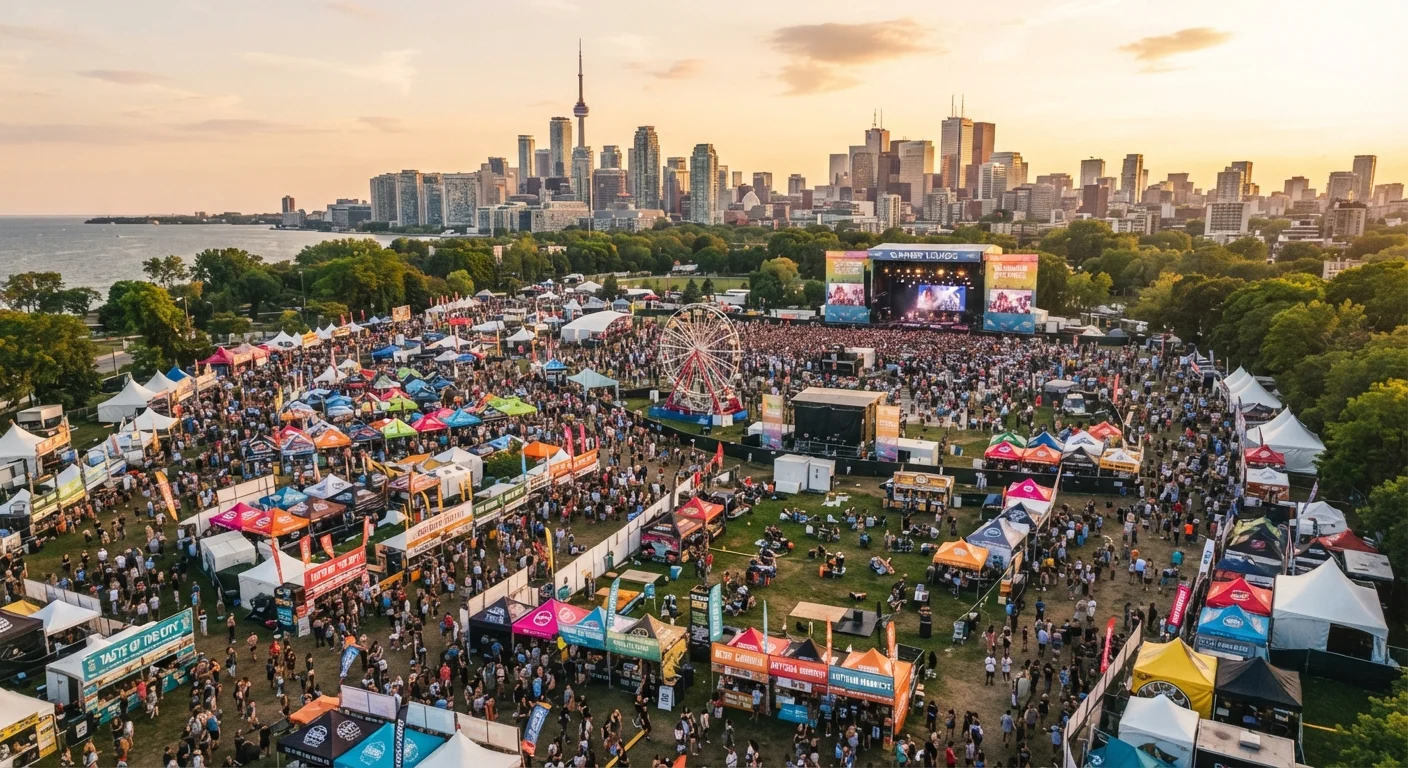
Why Event Travel Demands a Different Playbook
Booking a trip around a major festival or sporting event isn't just regular travel with a better reason to go. The entire logistics picture shifts: accommodation inventory shrinks weeks before you even start looking, transport routes get rerouted or overwhelmed, and prices across almost every category climb sharply. The traveler who treats event travel like a standard leisure trip almost always ends up paying more, staying farther away, or missing the experience they came for.
Understanding these dynamics upfront changes how you sequence every decision. Start with the core phases of trip planning to anchor your process, then layer on the event-specific considerations outlined below.
What you will need
What You'll Need Before You Start
Gather these resources before working through the steps. Having them ready prevents bottlenecks mid-planning.
Official event website
Primary source for ticketing, schedule, venue maps, and access rules - always verify details here first.
Local transit authority website
Provides event-day transport schedules, temporary route changes, and park-and-ride options.
Government travel advisory portal
Confirms entry requirements, visa needs, and any active safety advisories for your destination.
Accommodation comparison tool
Helps identify available lodging at event-week rates, including options farther from the venue.
Travel insurance policy
Covers cancellation, medical emergencies, and disruption - particularly valuable when event tickets are non-refundable.
Offline maps app
Provides navigation without cellular data when networks are congested at large-scale events.
Step-by-Step: Planning Your Event Trip
Follow these steps in order. Skipping ahead - especially on accommodation and ticketing - is one of the most common reasons event trips fall apart. For a broader view of what derails trip planning in general, see why travel plans fail and how to fix them.
Confirm the event details and secure official tickets first
Before booking anything else, purchase tickets directly through the event's official channel. Scalpers and unofficial resellers are common around major events, and fraudulent tickets are a real risk. Confirm the exact venue, gates, and any credential or ID requirements for entry. Note the cancellation and transfer policy - this affects every other decision you make.
Book accommodation as early as possible
Once tickets are secured, accommodation is your next urgent task - not flights. For events with attendance in the tens of thousands, properties within walking distance may be fully booked six months or more in advance. Prioritize lodging with a reasonable cancellation window where possible, so you retain flexibility if the event changes. Map the property's location relative to the venue and the nearest reliable transit stop.
Arrange flights or intercity transport
Book flights or train tickets after accommodation is confirmed. Aim to arrive at least one day before the event opens - same-day arrival is a significant risk if any transit delay occurs. Build a departure buffer of at least one day after the event ends; post-event airport and station queues are typically much longer than usual as thousands of attendees leave simultaneously.
Research local transport for event days specifically
Standard transit schedules often don't apply during major events. Check the local transit authority's event-specific page for temporary routes, extended hours, or shuttle services. Determine whether rideshare will be practical - during peak arrival and departure windows, surge pricing can make rides prohibitively expensive and wait times very long. Walking routes from transit hubs to venues are often the most reliable option.
Build an itinerary with realistic time buffers
Event schedules often run late, crowd movement between stages or venues takes longer than expected, and queues for food, transport, and entry can be substantial. Build your daily itinerary with genuine buffer time - not just back-to-back bookings. Identify two or three must-prioritize items each day and treat everything else as flexible. For structuring this effectively, the guide to building a travel itinerary that works offers practical frameworks for balancing priorities without overpacking each day.
Prepare for on-the-ground contingencies
Identify what you will do if a session is cancelled, weather forces a venue change, or you lose your ticket. Know the event's official communication channel - most large festivals post real-time updates via a dedicated app or verified social account. Have a physical copy or offline-accessible digital copy of all tickets and hotel confirmations. Share your itinerary with someone not traveling with you.
Use the Event's Official App Early
Most major festivals and large sporting events release an official app months before the event. Download it as soon as it's available - it typically carries the most current schedule, venue maps, and real-time alerts. Familiarize yourself with the interface before you arrive so you're not learning it in a crowd.
Budgeting Realistically for Event-Inflated Costs
Standard travel budgets underestimate event trips because they use normal-season pricing as a reference. During a major festival, lodging rates can run two to four times the typical rate, rideshare surges are frequent, and even restaurant prices near the venue often increase. Build your budget using event-week comparables, not off-season ones.
Costs to specifically account for: event tickets (including any booking or service fees), accommodation at inflated rates, ground transport with surge adjustments, and a contingency buffer of at least 15-20% for unexpected expenses. The guide to building a realistic travel budget walks through how to estimate each category methodically before you commit to any bookings.
Staying slightly outside the festival zone - one or two transit stops away - often unlocks meaningfully lower accommodation rates without adding significant travel time. Factor in transit costs for those extra legs; the math usually still favors the outer location.
Event-Week Pricing Is Not Standard Pricing
If you're using accommodation or transport prices from a non-event period to estimate costs, your budget will likely be significantly off. Always search for your specific travel dates when building cost estimates for event travel. Prices can increase substantially during peak demand periods, and the gap between estimates and actuals is a leading cause of trip budget overruns.
Final Checks Before You Travel
A week before departure, run through a structured pre-trip review. Confirm all tickets are accessible - digital or physical - and know the entry process for the venue. Check whether the event has posted updated schedule or access information; large festivals frequently revise logistics close to the dates. Verify local transport schedules for event days specifically, since standard timetables may not apply.
Use the pre-trip planning checklist to cover visa status, travel insurance coverage, and any health or safety requirements for your destination. For events in international destinations, confirm entry requirements through your government's official travel advisory portal - not third-party sites - since rules can change close to travel dates.
The content provided on our blog site traverses numerous categories, offering readers valuable and practical information. Readers can use the editorial team’s research and data to gain more insights into their topics of interest. However, they are requested not to treat the articles as conclusive. The website team cannot be held responsible for differences in data or inaccuracies found across other platforms. Please also note that the site might also miss out on various schemes and offers available that the readers may find more beneficial than the ones we cover.