

Why Solo Travel Safety Is About Systems, Not Luck
Solo travel carries a well-earned reputation for freedom - but that freedom comes with full personal responsibility for your own safety. Experienced independent travelers don't avoid risk by staying home or over-planning every hour. Instead, they build repeatable habits that stack together to create a reliable safety margin across wildly different destinations.
These aren't one-time checklists. They're practices that get applied before departure, on arrival, throughout the trip, and even after something goes wrong. Whether you're planning your first solo trip or refining a system you've used for years, the habits below are the ones seasoned solo travelers consistently return to.
Share a detailed itinerary with someone at home
Before departure, send a trusted contact your full itinerary: accommodation names and addresses, flight numbers, planned travel dates between cities, and any guided activities you've booked. Update them whenever plans change significantly. This isn't about constant check-ins - it's about ensuring someone knows where to start looking if you go unexpectedly silent.
Many experienced travelers use a shared document or a dedicated app to maintain a living itinerary their contact can access anytime without a direct message.
Someone at home should always know where you're supposed to be - and when to worry if they don't hear from you.
Research neighborhoods and common local scams before you land
Arrive knowing which areas of your destination are considered less safe after dark, which transit routes are recommended, and what scams or distractions are commonly used to target tourists. Travel forums, government travel advisories, and destination-specific guides are all useful sources - though conditions change, so cross-reference and verify with official sources before you go.
Knowing a scam's mechanics in advance - the distraction tactic, the fake petition, the overcharge setup - makes it dramatically easier to recognize and decline without confrontation.
Recognizing a scam before it unfolds is far easier than responding to it once you're in the middle of it.
Maintain active situational awareness in public spaces
Situational awareness means staying genuinely present - noticing who is around you, whether someone has moved closer, whether a situation feels off. It doesn't mean paranoia; it means keeping your eyes up and your attention distributed rather than buried in your phone or absorbed in earbuds.
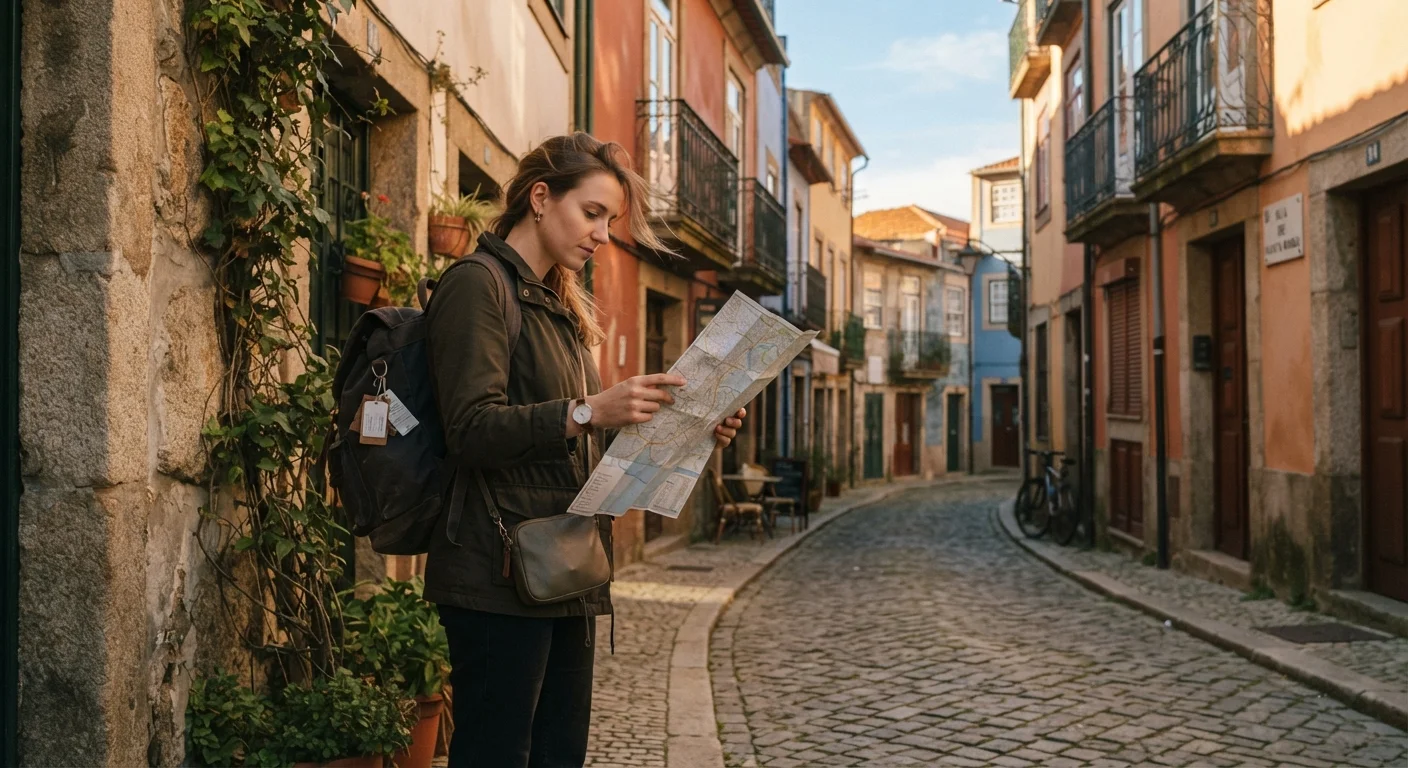
Solo travelers are sometimes targeted precisely because they appear distracted or uncertain. Walking with a clear sense of direction - even if you need to duck into a shop to check your map - signals confidence and reduces opportunistic attention.
Appearing confident and attentive is one of the most effective deterrents a solo traveler has.
Minimize visible valuables and use low-profile carry methods
Expensive cameras worn openly, phones held loosely, and bulging back pockets are invitations to snatch-and-run theft in crowded areas. Experienced travelers keep phones in front pockets or interior bag compartments, use a money belt or hidden pouch for passports and backup cash, and avoid wearing conspicuous jewelry in unfamiliar areas.
This isn't about dressing poorly - it's about not advertising what you're carrying. Many travelers also carry a small amount of decoy cash to hand over quickly if ever directly confronted, keeping their main funds separate.
The less you look like a target, the less effort a would-be thief is willing to invest in you.
Keep copies of critical documents stored separately from originals
Carry physical photocopies of your passport, visa, travel insurance policy, and emergency contacts in a location separate from where you keep the originals. Also store encrypted digital copies - in a secure cloud service or email to yourself - so you can access them from any device if your bag is lost or stolen.
If your passport is taken or lost abroad, having a copy dramatically speeds up the process of getting an emergency replacement through your country's embassy or consulate.
A copy of your passport stored separately from the original can compress a crisis from weeks to days.
Establish reliable connectivity from day one
Waiting until something goes wrong to figure out your phone situation is too late. Before or immediately upon arrival, secure a local SIM card, an international data plan through your carrier, or a portable Wi-Fi device - whichever gives you reliable data access at your destination. Save local emergency numbers, your accommodation's address in the local language, and your country's nearest embassy contact in your phone.
Offline maps downloaded in advance - covering the cities you'll be in - provide navigation even when data drops out.
Reliable connectivity isn't a convenience for solo travelers - it's a safety infrastructure.
Trust your instincts and create exit options for yourself
Experienced solo travelers consistently cite gut instinct as a legitimate decision-making tool. If a situation, a person, or an environment feels wrong, leave without waiting for confirmation. Politely excusing yourself, claiming a made-up commitment, or simply walking away are all valid choices that cost nothing.
Build micro-habits that preserve your exit options: don't let strangers know you're alone if you can avoid it, choose seating that allows easy departure, and be wary of any situation that moves you from a public to a private space unexpectedly.
The social discomfort of leaving a situation early is always smaller than the cost of staying in one that turns dangerous.
Building Safety Into Every Trip You Take
None of these habits require expensive gear or extensive training. Most cost nothing but attention and a few minutes of preparation. The goal isn't to travel in a state of anxiety - it's to travel with enough structure behind you that you can stay relaxed and present.
Register with your government before traveling abroad
Many countries - including the U.S. - offer free traveler registration programs (the U.S. equivalent is STEP, the Smart Traveler Enrollment Program) that let your embassy contact you in emergencies and help family locate you. It takes about five minutes and is particularly valuable for solo travelers heading to remote or higher-risk destinations. Check your government's foreign affairs or state department website for details.
Solo travel also carries real financial considerations worth thinking through early. If you haven't yet weighed the cost side of going it alone, the financial reality of solo vs. group travel is a useful reference before you book. And for broader trip organization, trip planning essentials covers the structural decisions that make any journey - solo or otherwise - run more smoothly.
The content provided on our blog site traverses numerous categories, offering readers valuable and practical information. Readers can use the editorial team’s research and data to gain more insights into their topics of interest. However, they are requested not to treat the articles as conclusive. The website team cannot be held responsible for differences in data or inaccuracies found across other platforms. Please also note that the site might also miss out on various schemes and offers available that the readers may find more beneficial than the ones we cover.