

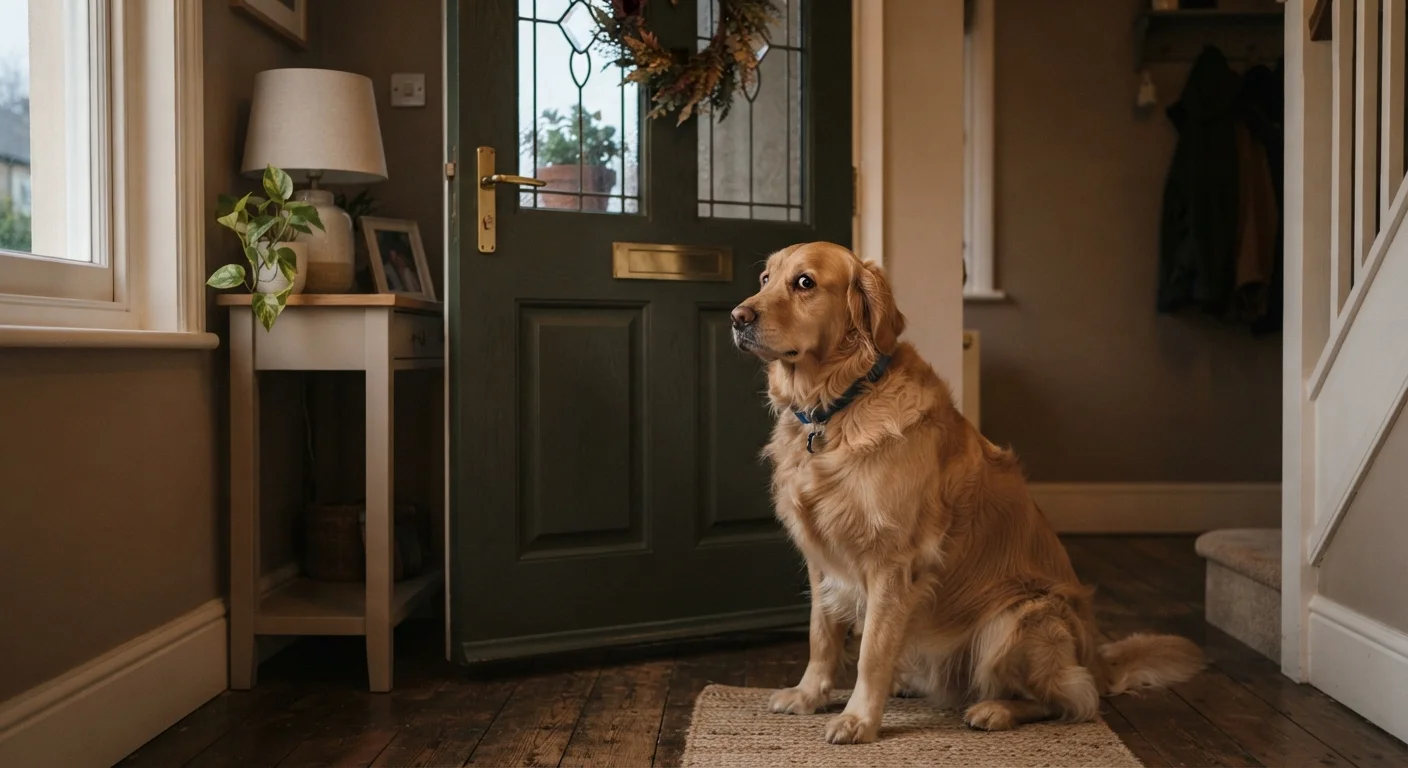
What Causes Separation Anxiety
Separation anxiety does not have a single cause - it typically emerges from a combination of genetics, early life experiences, and environmental factors. Some dogs are neurologically predisposed to higher baseline anxiety. Certain breeds developed through generations of close human partnership may be more vulnerable, though the condition can appear in any dog regardless of breed or mix.
Common contributing triggers include: a sudden change in schedule (such as a household member returning to work after an extended period at home), a significant life disruption like a move or loss of a family member, inadequate early socialization, a history of abandonment or rehoming, or traumatic experiences while alone. Rescue dogs show elevated rates of the condition, possibly reflecting disrupted attachment histories.
It is worth understanding that separation anxiety is fundamentally a fear response, not willful misbehavior. As explored in our article on how stress affects pet health, chronic anxiety in dogs has measurable physiological consequences beyond behavior alone.
Separation Anxiety vs. Isolation Distress
Some dogs are distressed by being alone in general, while others are specifically attached to one person and remain calm if any human is present. This distinction matters for treatment planning. True separation anxiety targets the absence of a specific attachment figure; isolation distress is broader. A veterinary behaviorist can help clarify which pattern applies to your dog.
Recognizing the Signs
Separation anxiety announces itself in predictable patterns, though not every dog shows every symptom. The distress typically begins at, or even before, the moment of departure - which distinguishes it from general destructiveness.
- Pre-departure anxiety: Panting, pacing, trembling, or shadowing you as you prepare to leave.
- Vocalization: Howling, barking, or whining that begins shortly after the door closes and may continue for extended periods.
- Destructive behavior: Chewing or scratching directed at exit points - doors, windows, and frames - rather than random objects.
- House soiling: Accidents from a reliably trained dog, particularly concentrated near exit areas.
- Escape attempts: Efforts to break out that can result in broken teeth, torn nails, or lacerations.
- Physiological signs: Excessive drooling, vomiting, or self-directed licking or chewing.
Learning to read your dog's body language during your pre-departure routine can help you detect anxiety early, before it escalates into full distress. Video monitoring while you are away is one of the most valuable diagnostic tools available to owners.
A Gradual Path Toward Calm
The most evidence-supported treatment for separation anxiety is systematic desensitization combined with counter-conditioning - a structured process of exposing the dog to departure cues and brief absences at intensities low enough to prevent panic, paired with positive associations that gradually shift the dog's emotional response.
Desensitize Departure Cues
Most anxious dogs react to the ritual of leaving - picking up keys, putting on shoes, reaching for a bag. Begin by performing these actions repeatedly without actually leaving. Over time, these cues lose their predictive power and the anxiety response they trigger.
Practice Ultra-Short Absences
Leave for seconds, not minutes, at the outset. Step outside, close the door, and return before any distress begins. Gradually and incrementally extend duration only when the dog remains calm at shorter intervals. Rushing this process is the most common reason progress stalls.
Avoid Emotional Departures and Arrivals
Prolonged goodbye rituals inadvertently signal that departure is a significant event. Low-key exits and calm returns help normalize the coming and going as unremarkable.
Record Your Dog Before Intervening
Set up a phone or inexpensive camera to record your dog for the first 30 minutes after you leave. This footage tells you when distress begins, how severe it is, and whether your training progress is actually reducing anxiety - information you cannot get from returning home after the fact.
Build a Predictable Daily Structure
Dogs thrive on predictability. A consistent daily schedule - covering feeding times, exercise, and rest - measurably reduces background anxiety. Our guide to the daily routine every dog thrives on provides a practical framework for this.
Know When to Seek Professional Support
Moderate to severe separation anxiety warrants guidance from a certified applied animal behaviorist or veterinary behaviorist. In some cases, anti-anxiety medication prescribed by a veterinarian is an important component of the treatment plan - not a substitute for behavior work, but a support that lowers arousal enough to make learning possible.
This article is for general informational purposes only and does not constitute veterinary or behavioral advice. Always consult a qualified veterinary professional for guidance specific to your dog's needs.
Frequently Asked Questions
Boredom typically produces low-level mischief - chewing a shoe, exploring the trash. Separation anxiety is tied specifically to your absence and involves signs of panic: howling, destructive behavior near exits, or self-injury. Video recording your dog after you leave is the most reliable way to distinguish between the two.
Many dogs show dramatic improvement with consistent behavioral modification, and some reach a point where alone time causes no measurable distress. Others require ongoing management. Outcomes vary based on severity, how long the condition has been present, and the consistency of the intervention.
Not reliably. Separation anxiety is rooted in attachment to a specific person, not simply a fear of being alone. A second dog may provide some comfort for a socially anxious dog, but it rarely resolves the underlying condition and adds significant responsibility.
Crating an anxious dog who has not been positively conditioned to the crate can intensify distress and lead to injury. If you use a crate, it must be introduced slowly and associated with positive experiences well before any alone time. Consult a professional before using confinement as part of an anxiety management plan.
Seek veterinary guidance whenever the distress is severe, when the dog is injuring themselves, or when weeks of consistent home-based work produce little improvement. A veterinarian can also rule out medical causes that mimic anxiety, such as pain or thyroid dysfunction.
The content provided on our blog site traverses numerous categories, offering readers valuable and practical information. Readers can use the editorial team’s research and data to gain more insights into their topics of interest. However, they are requested not to treat the articles as conclusive. The website team cannot be held responsible for differences in data or inaccuracies found across other platforms. Please also note that the site might also miss out on various schemes and offers available that the readers may find more beneficial than the ones we cover.