

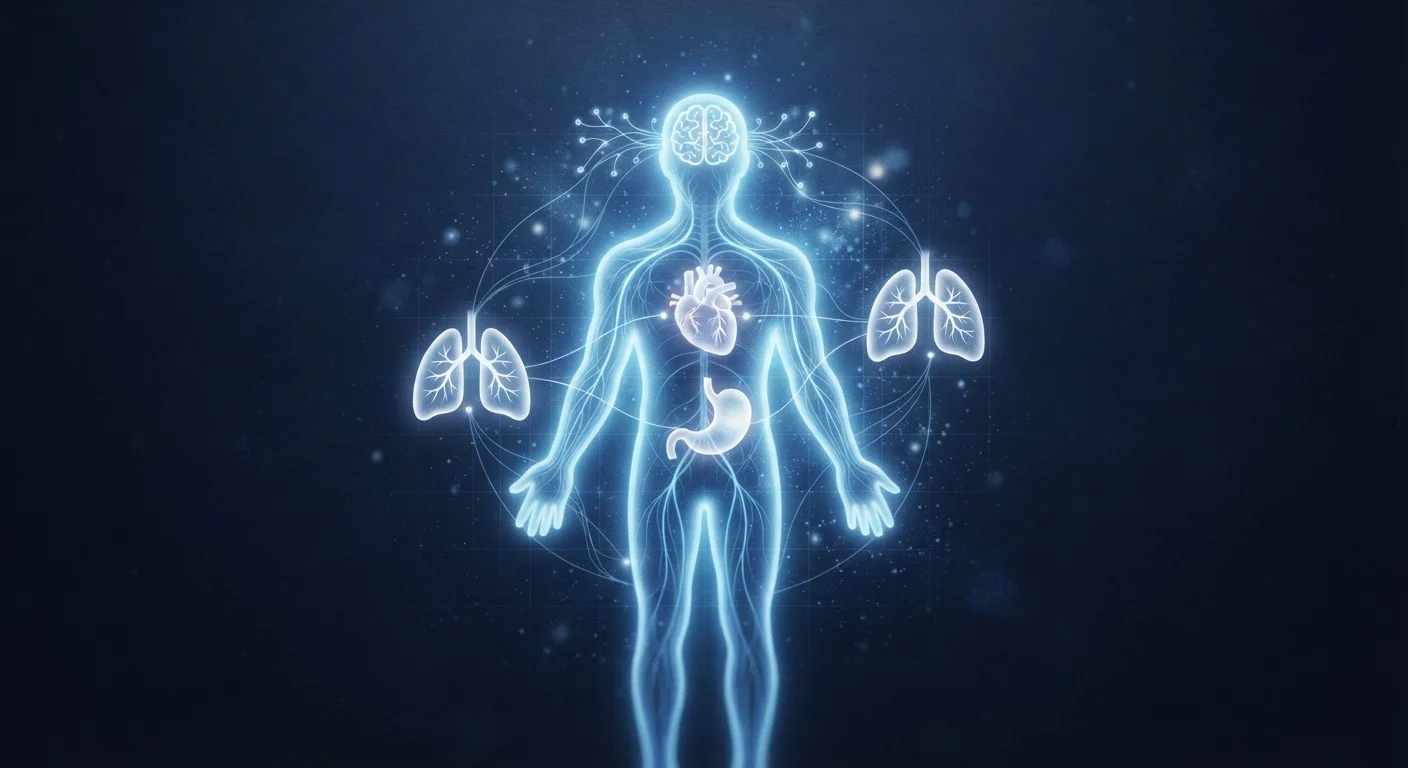
Why Stress Is a Physical Problem, Not Just a Mental One
Most people understand that stress feels bad. Fewer recognize how comprehensively it reshapes the body's internal environment. When the brain perceives a threat - real or imagined, physical or psychological - it triggers the release of stress hormones including cortisol and epinephrine. This response evolved to handle short, acute dangers. The trouble is that modern stressors - financial pressure, work demands, relationship strain - don't resolve the way a predator does. The alarm stays on.
Persistently elevated cortisol doesn't just affect how you feel. It systematically alters immune signaling, gut function, cardiovascular dynamics, and sleep architecture. Understanding how these pathways work is the first step toward addressing them. For a deeper look at what's happening in your nervous system moment to moment, see The Science Behind Why Stress Feels So Physical.
75-90%
Doctor visits with a stress-related component
Estimates from health research suggest the large majority of primary care visits involve a stress-related component, highlighting how broadly stress affects physical health.
2x
Cold susceptibility under chronic stress
Research by Sheldon Cohen and colleagues at Carnegie Mellon University found that people under chronic psychological stress were significantly more susceptible to the common cold than those with lower stress levels.
40%
Adults reporting stress-related sleep problems
The American Psychological Association's Stress in America surveys have consistently found that a substantial proportion of U.S. adults report stress as a significant contributor to poor sleep quality.
The Immune and Inflammatory Pathway
One of the most studied mechanisms linking stress to physical health is its effect on immunity. Under acute stress, the immune system temporarily upregulates - a protective measure. Under chronic stress, the opposite occurs. Sustained high cortisol suppresses the activity of lymphocytes (white blood cells that fight infection) and disrupts the balance between pro- and anti-inflammatory signals in the body.
This chronic low-grade inflammation has been implicated in a range of conditions, from cardiovascular disease to metabolic dysfunction. Research has also shown slower wound healing and reduced vaccine effectiveness in people experiencing prolonged psychological stress. The immune system, in other words, is paying a measurable price.
The Gut-Brain Axis: Digestion Under Pressure
The enteric nervous system - sometimes called the "second brain" - lines the gastrointestinal tract and communicates bidirectionally with the brain via the vagus nerve. When the stress response activates, the body redirects resources away from digestion toward muscles and the cardiovascular system. Gut motility slows or becomes erratic, stomach acid production may increase, and the balance of gut microbiota can shift.
For many people, this shows up as bloating, cramping, nausea, or changes in bowel habits during stressful periods. In individuals with pre-existing conditions like irritable bowel syndrome, chronic stress can significantly worsen symptoms. This gut-brain connection is bidirectional: an unhealthy gut environment can also amplify stress reactivity and mood dysregulation.
Support Your Gut During High-Stress Periods
During stressful stretches, prioritize foods that support gut microbiome diversity - including fiber-rich vegetables, legumes, and fermented foods like yogurt or kefir. Staying well-hydrated and limiting highly processed foods may help buffer some of the gut disruption that stress causes. These are general dietary principles; a registered dietitian can provide personalized guidance.
Sleep Disruption: A Two-Way Highway
Cortisol follows a natural daily rhythm, peaking in the morning and falling through the evening. Chronic stress disrupts this rhythm, keeping cortisol elevated at night and making it harder to fall and stay asleep. Poor sleep, in turn, triggers its own stress response - creating a self-reinforcing cycle that compounds both mental and physical health risks over time.
Reduced sleep quality is associated with impaired immune function, increased inflammatory markers, poorer metabolic regulation, and reduced cognitive performance. The relationship is explored in depth in Sleep and Mental Health Are Deeply Linked. Addressing sleep is rarely enough on its own - but it is a high-leverage entry point for breaking the stress cycle.
Actionable Pathways to Reduce the Physical Burden
Understanding the mechanisms is useful only when paired with realistic actions. Evidence-based approaches that interrupt the chronic stress response include:
- Consistent moderate physical activity: Exercise helps metabolize stress hormones and supports HPA axis regulation. Even regular walking produces measurable benefits.
- Social connection: Strong social ties are associated with lower cortisol levels and better immune outcomes. Social Connection as a Mental Wellness Habit outlines evidence-based ways to strengthen this.
- Diaphragmatic breathing and mindfulness: Both activate the parasympathetic nervous system - essentially switching off the alarm - and have measurable effects on cortisol and inflammatory markers.
- Sleep hygiene: Consistent sleep and wake times help restore the cortisol rhythm disrupted by chronic stress.
These habits rarely work in isolation. A whole-person approach - covering sleep, nutrition, movement, and connection - is most effective. See Building Healthy Habits Across Every Area of Daily Life for a comprehensive framework.
This article is for general informational and educational purposes only and is not a substitute for professional medical advice, diagnosis, or treatment. Always consult a qualified healthcare professional regarding any health concerns or before making changes to your health routine.
Frequently Asked Questions
Yes, research consistently shows that chronic stress can suppress immune function, increase inflammation, and raise the risk of conditions like cardiovascular disease and digestive disorders. It does this through hormonal pathways - particularly elevated cortisol - rather than being purely psychological. This is general health information; speak with a healthcare professional about your specific situation.
Many people miss the connection between stress and symptoms like frequent colds, digestive issues such as bloating or irregular bowel habits, jaw tension, skin flare-ups, and disrupted sleep. These are often attributed to other causes before stress is considered a contributing factor.
The gut and brain communicate continuously via the gut-brain axis. When the stress response activates, blood flow to the digestive tract is reduced, gut motility changes, and the microbiome can shift in composition. This can contribute to symptoms like cramping, nausea, constipation, or diarrhea.
Sustained high cortisol levels can reduce the effectiveness of immune cells and lower the body's ability to fight off infections. Studies have found that people under chronic stress tend to have slower wound healing and a higher susceptibility to common illnesses like colds.
Regular moderate physical activity, consistent sleep schedules, social connection, and mind-body practices like diaphragmatic breathing or mindfulness have the strongest evidence behind them for reducing the physical impact of chronic stress. No single habit works in isolation - a whole-person approach tends to be most effective.
If you are experiencing persistent physical symptoms - prolonged fatigue, chest discomfort, digestive problems, or significant sleep disruption - it is important to consult a qualified healthcare provider. They can rule out other causes and help you build an appropriate management plan.
The content provided on our blog site traverses numerous categories, offering readers valuable and practical information. Readers can use the editorial team’s research and data to gain more insights into their topics of interest. However, they are requested not to treat the articles as conclusive. The website team cannot be held responsible for differences in data or inaccuracies found across other platforms. Please also note that the site might also miss out on various schemes and offers available that the readers may find more beneficial than the ones we cover.