

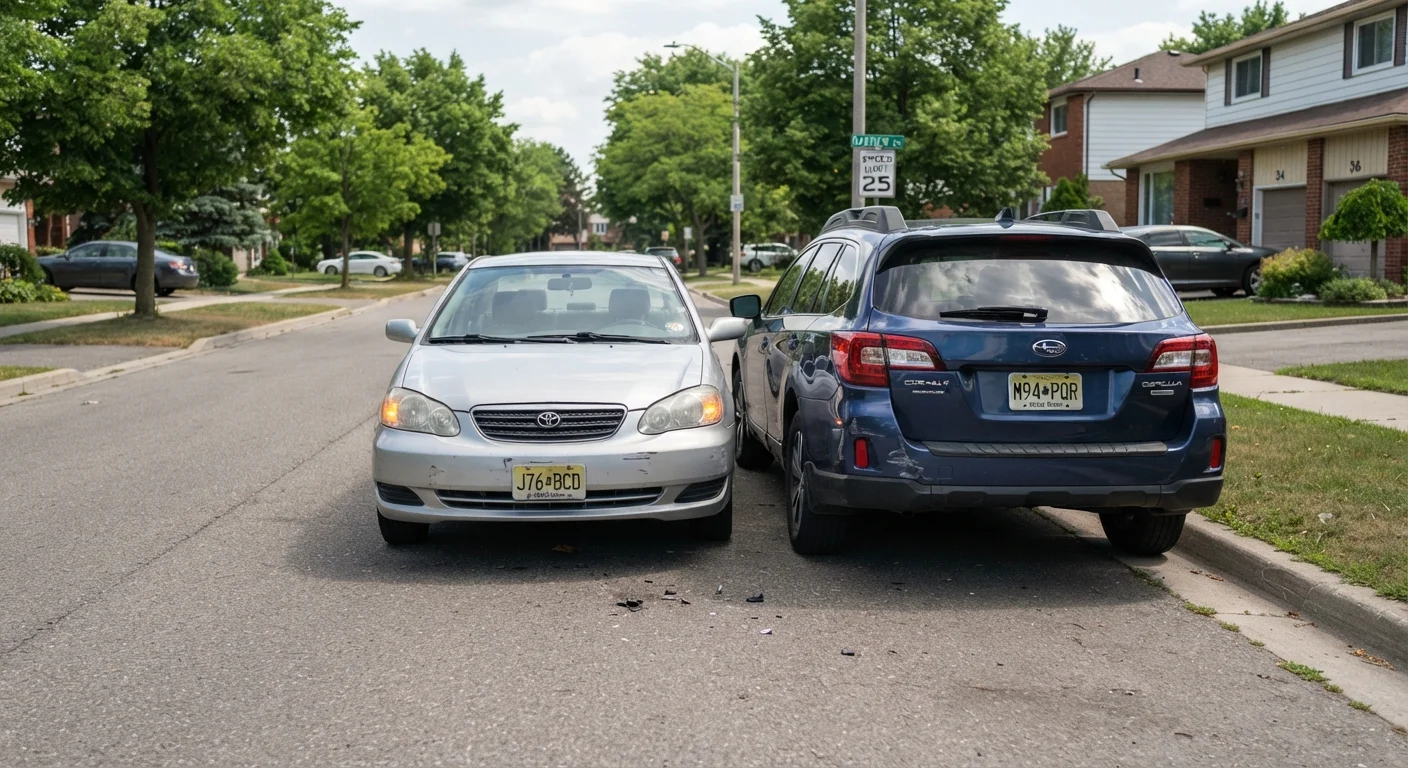
Why Even Minor Accidents Demand a Careful Response
A fender bender at low speed can feel trivial in the moment - a gentle bump in a parking lot, a tap at a red light. But the decisions you make in the next 15 to 30 minutes can have real consequences for your insurance rates, your legal standing, and your wallet. Damage that looks cosmetic may conceal frame misalignment or sensor damage behind a modern bumper, and injuries don't always present immediately. Treating even a minor collision with the same structured response every time protects you from surprises later.
Part of driving smarter is knowing exactly what to do before the unexpected happens, so you're not making it up on the spot while your adrenaline is running high.
What you will need
Step-by-Step: What to Do at the Scene
Follow these steps in order. Skipping early steps - especially documentation - is the most common mistake drivers make after a minor collision.
Move to Safety and Check for Injuries
If the vehicles are drivable and it is safe to do so, pull out of active traffic - to a parking lot, side street, or the shoulder - and turn on your hazard lights. Check yourself and any passengers for injuries. Ask the other driver and their passengers the same. If anyone is hurt, call 911 immediately and do not move injured individuals unless there is an immediate danger (such as fire).
Call the Police If Warranted
Many states require you to report any collision resulting in injury or damage above a certain dollar threshold - thresholds vary by state, so check your local regulations. Even when it's not legally required, a police report creates an official, timestamped record that can be invaluable if the other party later disputes what happened. In some jurisdictions, officers will not respond to minor property-damage incidents; if that's the case, note the dispatcher's name and the call reference number.
Document the Scene Thoroughly
Photograph both vehicles from multiple angles, capturing all visible damage as well as the overall positions of the cars. Include wider shots that show street signs, traffic signals, or other landmarks that establish the context of the collision. Note the time, date, weather conditions, and road conditions in writing. If there are skid marks or debris, photograph those too.
Exchange Information with the Other Driver
Collect and share the following: full legal name, phone number, address, driver's license number, license plate number, vehicle make and model, and insurance company name and policy number. If there are witnesses, politely ask for their name and phone number as well - they are under no obligation to provide it, but many will.
Notify Your Insurance Company
Report the incident to your insurer, even if you're unsure whether you'll file a formal claim. Most policies have a notification requirement, and early reporting keeps all options open. Your insurer can walk you through whether filing a claim makes financial sense given your deductible versus estimated repair costs.
Never Admit Fault at the Scene
Fault in a collision is determined by insurers and, when necessary, courts - not by a roadside conversation. Even a well-intentioned apology can be interpreted as an admission of liability and used against you during the claims process. Provide factual information and let the official process assign responsibility.
After You Leave the Scene
Once you're away from the collision site, your responsibilities aren't finished. Contact your insurance company as soon as reasonably possible - most policies require timely notification, and delays can complicate or invalidate a claim. Have your photos, the other driver's information, and any witness contacts ready before you call.
If the damage appears minor and both parties agree to handle it privately without filing a claim, get that agreement and any payment arrangement in writing. Be aware, though, that injuries or hidden structural damage can surface days later, and a private settlement may leave you with no recourse. When in doubt, filing through insurance provides a documented, adjudicated resolution.
Get a written repair estimate from a qualified body shop before authorizing any work, and keep all receipts and correspondence related to the incident in one place. If your vehicle has driver-assistance features - backup cameras, parking sensors, blind-spot monitors - have a technician verify those systems weren't disrupted by the impact, even if the visible damage is minimal.
Keep a Post-Accident Checklist in Your Glove Box
Print a simple card listing the information you need to collect at any accident scene and store it with your registration. In a stressful moment, having a physical prompt ensures you don't forget a step. Your insurer may offer a ready-made version through their mobile app or website.
The content provided on our blog site traverses numerous categories, offering readers valuable and practical information. Readers can use the editorial team’s research and data to gain more insights into their topics of interest. However, they are requested not to treat the articles as conclusive. The website team cannot be held responsible for differences in data or inaccuracies found across other platforms. Please also note that the site might also miss out on various schemes and offers available that the readers may find more beneficial than the ones we cover.